
 Save
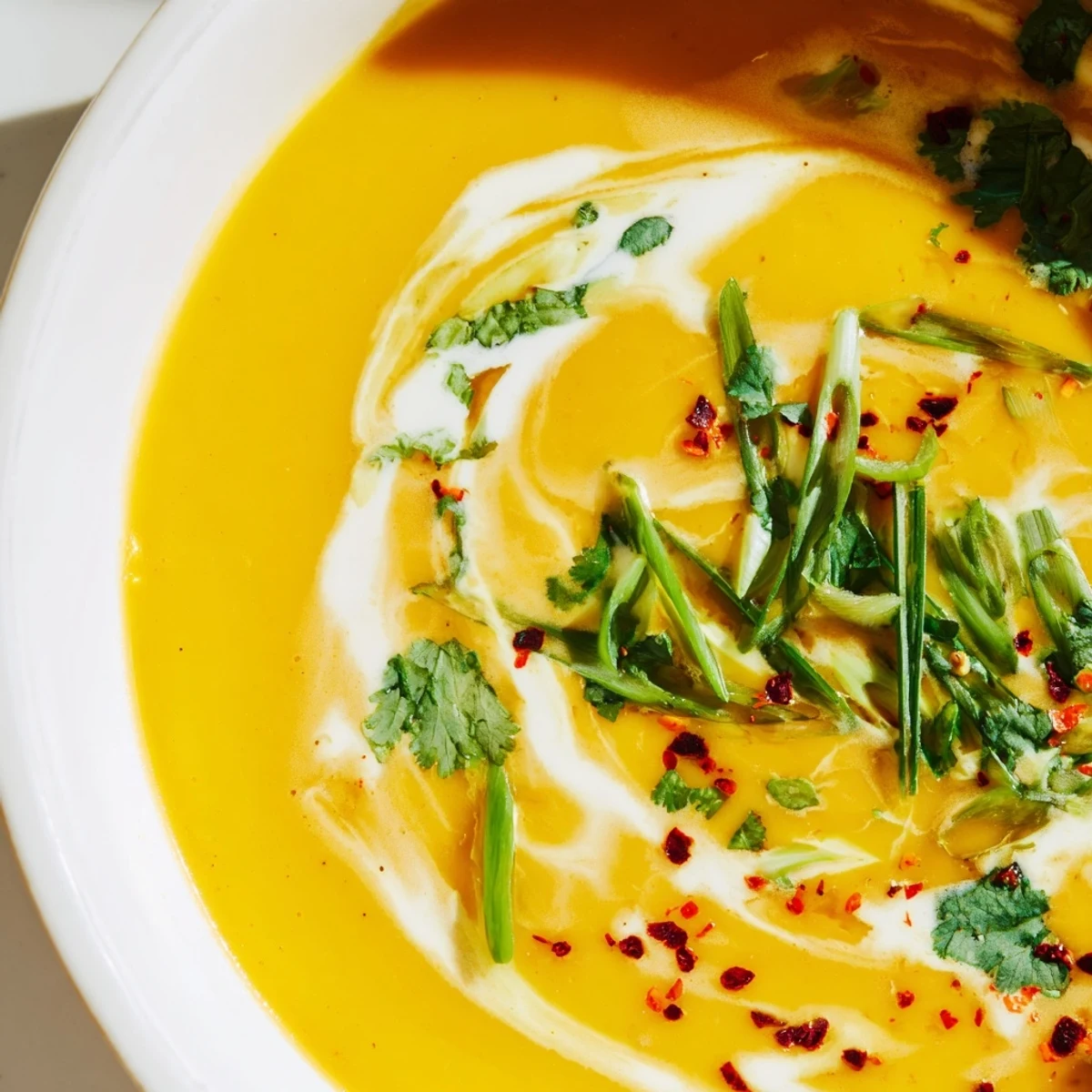
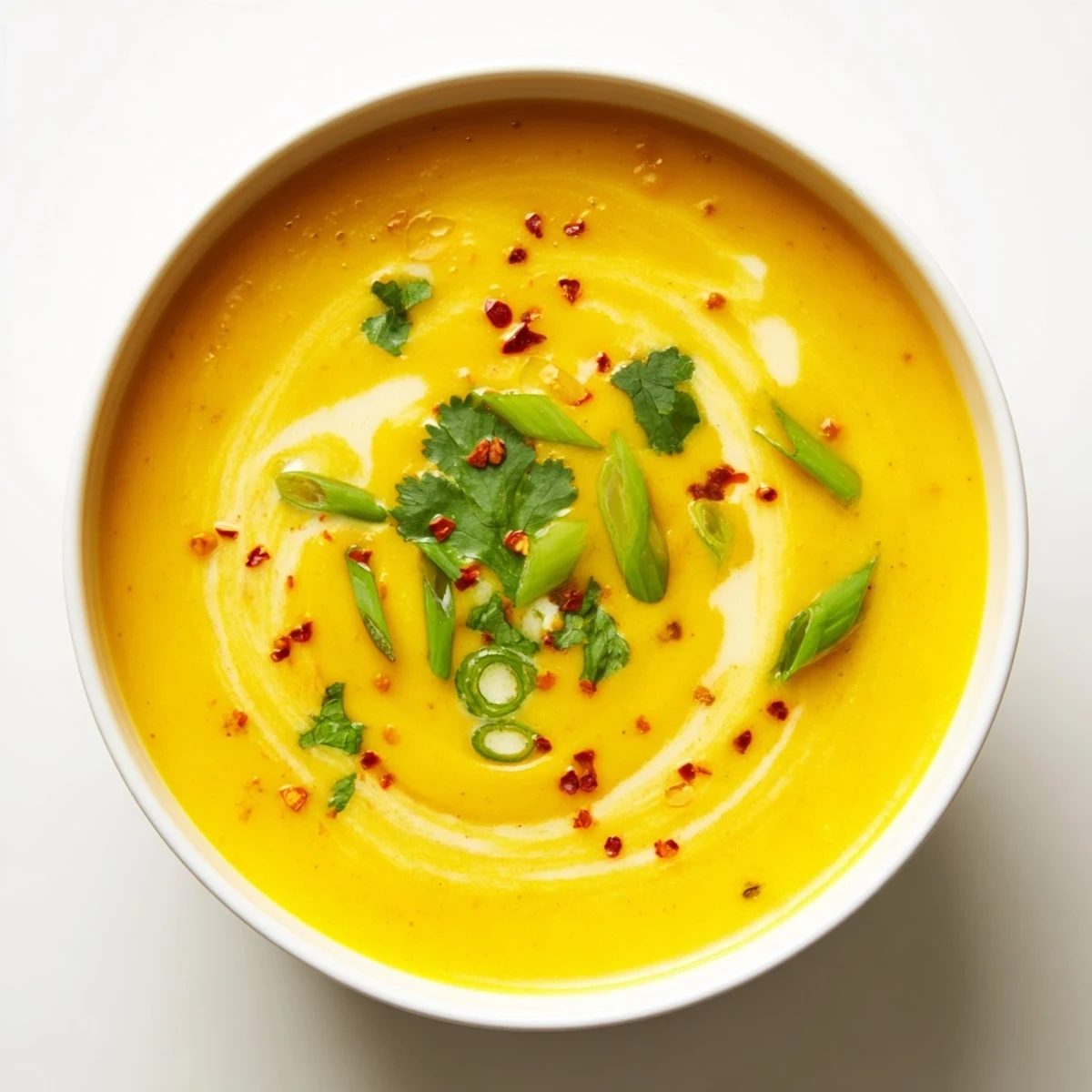
Save This warm ginger and coconut milk blend highlights fresh ginger, turmeric, and garlic for aromatic soothing flavors. Simmered vegetables like carrot and potato create a hearty, smooth texture. Finished with lemon juice, soy sauce, and optional fresh herbs, this dish comforts and refreshes any chilly day. The gentle heat from the spices balances perfectly with creamy coconut milk, offering a nourishing experience that's both simple and packed with vibrant taste.
There's something about the first real cold snap of the year that makes me crave ginger soup, the kind that fills your kitchen with that warm, peppery steam before you even taste it. I discovered this version on a gray afternoon when my throat felt scratchy and the spice cabinet seemed to be calling me. What started as an impulse to use up some ginger became a ritual I return to whenever I need comfort in a bowl.
I made this soup for my roommate one winter when she was under the weather, and I watched her face change with that first spoonful, the kind of quiet relief you don't forget. She asked for the recipe that same evening, and now it's become something we make together on cold Sundays, comparing notes on whether we prefer it thicker or thinner, spicier or milder.
Ingredients
- Olive oil: Just a tablespoon to get things started without making the soup heavy.
- Medium onion, finely chopped: This is your foundation, so take a moment to chop it fine and let it go translucent before moving forward.
- Garlic cloves, minced: Fresh garlic here is non-negotiable—it brightens everything that comes after.
- Large carrots, peeled and sliced: They soften into the soup and add natural sweetness that balances the ginger's bite.
- Large potato, peeled and diced: This creates the creamy body of the soup when blended, no cream necessary.
- Fresh ginger, peeled and grated: The star of the show—don't skip fresh for ground, the flavor is entirely different.
- Vegetable broth: Four cups gives you the right ratio of liquid to vegetables for that perfect silky texture.
- Coconut milk, unsweetened: It adds richness without sweetness, so your soup stays savory and complex.
- Ground turmeric: This brings warmth and an earthy undertone that works beautifully with the ginger.
- Ground black pepper: Half a teaspoon is the baseline, but you might want more depending on your preference for heat.
- Salt: Start conservatively since soy sauce adds its own saltiness.
- Soy sauce or tamari: Use tamari if you need gluten-free, and don't skip this—it adds umami depth that makes people wonder what your secret ingredient is.
- Lemon juice: From half a lemon at the end to brighten everything and cut through the richness.
- Fresh cilantro or parsley, chopped: Either works beautifully as a final garnish to add freshness.
- Thinly sliced green onion: A scattered handful brings a mild bite and visual contrast.
- Chili flakes: For those who want an extra kick of heat on top.
Instructions
- Heat your oil and soften the onion:
- In a large pot over medium heat, warm the olive oil until it shimmers slightly, then add your finely chopped onion. Let it sit undisturbed for a minute or two before stirring, and keep cooking for about 2–3 minutes until the pieces turn translucent and softened.
- Build the vegetable base:
- Add the minced garlic, sliced carrots, and diced potato to the pot and stir everything together. Give it another 3–4 minutes of cooking, stirring occasionally so nothing sticks to the bottom.
- Wake up the spices:
- This is the moment the soup transforms—stir in your grated ginger, turmeric, black pepper, and salt. Cook for just about 1 minute, and you'll smell the kitchen shift into something warm and inviting.
- Simmer until tender:
- Pour in your vegetable broth, bring everything to a boil, then lower the heat and let it simmer for 15–18 minutes until the vegetables break apart easily with a wooden spoon.
- Add richness and depth:
- Stir in the coconut milk and soy sauce, making sure everything is well combined, then let it heat through for 2–3 minutes without boiling.
- Blend to silky smoothness:
- You can use an immersion blender right in the pot, moving it around until the soup goes from chunky to creamy, or carefully transfer the soup in batches to a countertop blender. Either way, don't rush this step.
- Finish with brightness:
- Stir in the lemon juice, taste the soup, and adjust your seasonings—maybe more salt, maybe a touch more ginger if you're feeling bold.
- Serve with intention:
- Ladle into bowls and top with cilantro, green onion, and a pinch of chili flakes if you'd like. The toppings matter more than you'd think.
 Save
Save There was a moment during one of those late-night cooking sessions when I realized this soup had become something I made not just for wellness, but for the simple joy of sharing something warm with people I cared about. That shift from functional to meaningful is when I knew I'd gotten it right.
Variations That Work
I've played around with this recipe more times than I can count, and some experiments have stuck. Sweet potato instead of regular potato gives you a subtle sweetness that plays wonderfully with the ginger, especially if you also add a pinch of cayenne for contrast. Lentils stirred in before blending turn it into something heartier when you need it to feel more like a meal than a side.
- Roasting your vegetables first in a hot oven for 15 minutes before adding them to the pot deepens the flavors considerably.
- A splash of coconut cream on top instead of blending everything makes for a fancier presentation without much extra effort.
- Fresh turmeric root instead of ground turmeric changes the entire flavor profile into something more vibrant and fresh.
Pairing and Serving
This soup stands on its own as a light meal, but I always think about what it wants to sit next to on the table. Crusty bread that you can dunk and soak up every last drop feels essential, while jasmine rice stirred into the bowl makes it feel more substantial without being heavy. Cold days call for different pairings than what might work on a mild afternoon, so trust your instincts.
Storing and Reheating
This soup keeps beautifully in the refrigerator for about four days, and it actually tastes better on day two when the flavors have had time to get to know each other. You can also freeze it in portions for up to three months, though the texture becomes slightly less silky than freshly made.
- Reheat gently on the stove over medium-low heat, stirring occasionally and adding a splash of broth or water if it's thickened too much.
- Don't microwave coconut-based soups if you can avoid it—the uneven heating can separate the milk and make the texture grainy.
- Add fresh lemon juice and new garnishes every time you reheat; it brings the soup back to life as if it were freshly made.
 Save
Save There's real magic in something this simple that asks so little but gives so much back. Make it when you need comfort, make it when you're curious, just make it.
Recipe Questions & Answers
- → What ingredients enhance the soup's warmth?
-
Fresh ginger, turmeric, black pepper, and garlic all contribute to the warming, aromatic qualities of the soup.
- → Can I substitute any vegetables in this dish?
-
Yes, sweet potato can replace regular potatoes for a sweeter note without changing the dish’s essence.
- → How is the smooth texture achieved?
-
The soup is pureed using an immersion or countertop blender after simmering the vegetables until tender.
- → What dairy-free alternative is used to add creaminess?
-
Unsweetened coconut milk adds richness and creaminess while keeping the dish vegan and gluten-free.
- → Are there simple garnishes to enhance presentation and flavor?
-
Fresh cilantro or parsley, green onion slices, and chili flakes add vibrant color and delicate spicy notes.