
 Save
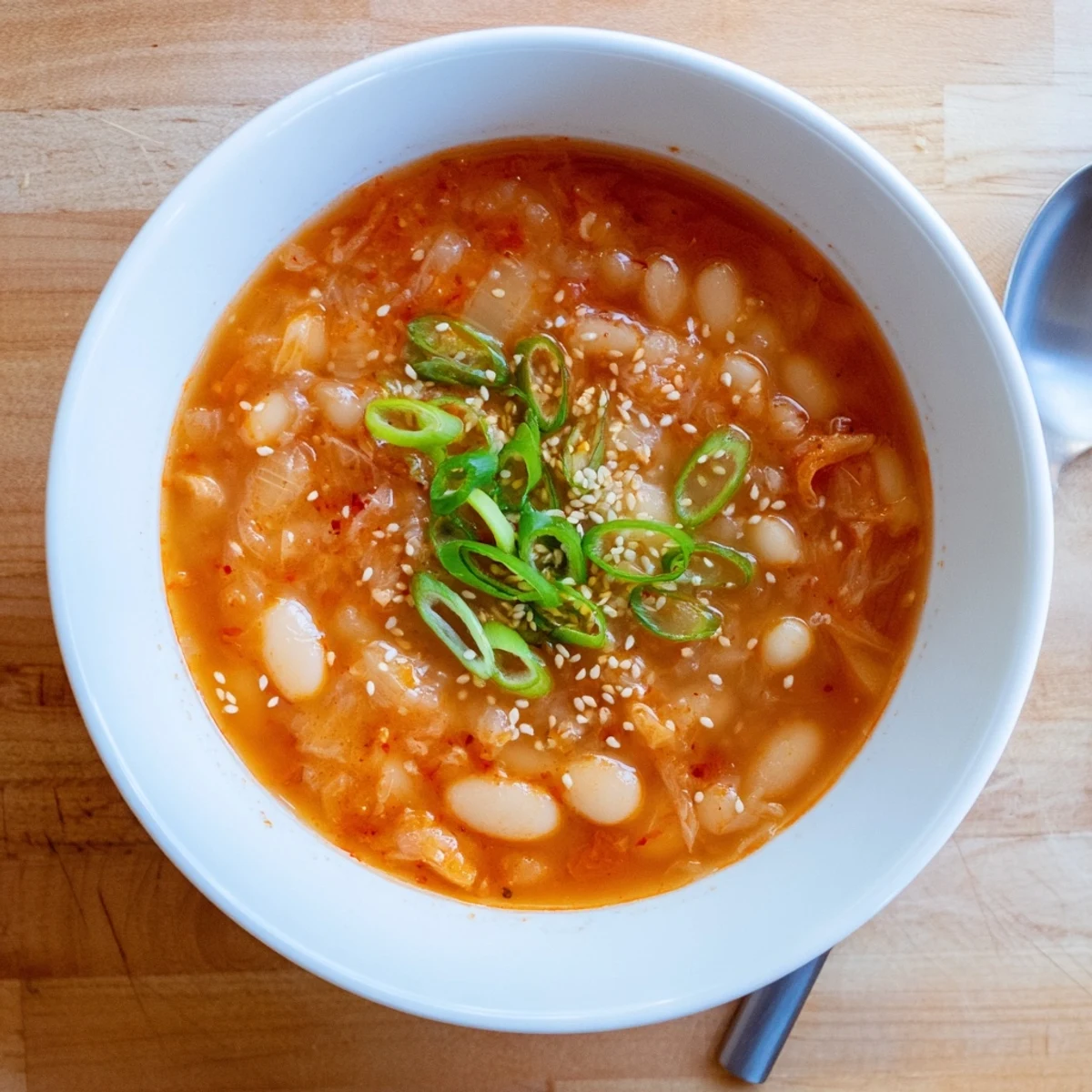
Save This hearty soup brings together the bold flavors of Korean cuisine with comforting white beans. The tangy, fermented kimchi provides depth and probiotics while creamy cannellini beans create satisfying texture. With a base of aromatic vegetables and a kick of gochugaru, each bowl offers warming spice perfect for cold weather. Ready in just 45 minutes, this vegetarian and gluten-free adaptable dish delivers restaurant-quality flavor with simple techniques.
The first time I made this kimchi soup was during a particularly brutal February when my apartment felt like an icebox and I craved something with enough fire to thaw me from the inside out. I'd bought a jar of kimchi on impulse and some white beans were sitting in my pantry, and honestly I just threw them together because I was too cold to think through anything complicated. That pot bubbled away on my stove for twenty minutes and when I finally took that first bite, steam rising up to fog my glasses, I knew this random experiment would become a regular thing in my kitchen rotation.
Last winter my sister came over complaining about this persistent cold she couldn't shake and I made a double batch of this soup. We sat at my kitchen table wrapped in blankets while the steam curled off our bowls and she kept saying I don't know what's in this but my throat actually feels better. By the time she left she was demanding the recipe and the next day she texted me that she'd already made it twice and was converting all her skeptic friends into kimchi believers.
Ingredients
- 1 tablespoon vegetable oil: A neutral oil lets the kimchi flavors shine without competing
- 1 medium yellow onion, finely chopped: Foundation aromatics that sweeten as they cook
- 2 cloves garlic, minced: Add this with the other vegetables so it doesn't burn
- 1 medium carrot, sliced: Adds subtle sweetness and beautiful color flecks
- 1 celery stalk, sliced: The classic soup backbone that provides aromatic depth
- 1 cup napa cabbage, shredded: Optional but adds welcome texture and absorbs the spiced broth beautifully
- 1 cup kimchi, chopped: Use kimchi that's been fermenting at least a week for the deepest flavor
- 2 tablespoons kimchi juice: This liquid gold is packed with umami and shouldn't go to waste
- 1 tablespoon gochugaru: Korean chili flakes that deliver a fruity heat rather than just burn
- 1 tablespoon gochujang: Optional but adds this incredible fermented depth that makes the soup taste complex
- 1 tablespoon soy sauce or tamari: Tamari keeps it gluten free without sacrificing the salty richness
- 1 teaspoon toasted sesame oil: Stir this in at the very end for that aromatic finish
- 2 cans white beans: Cannellini hold their shape beautifully while navy beans become creamier
- 4 cups vegetable broth: Use a good quality broth you'd drink on its own
- 1 cup water: Prevents the soup from becoming too intense as it simmers down
- 2 green onions, thinly sliced: Fresh brightness to cut through the rich spices
- 1 teaspoon toasted sesame seeds: These little crunches add texture in every spoonful
- Fresh cilantro or parsley: A handful of herbs at the end makes the whole bowl feel lighter
Instructions
- Build your aromatic foundation:
- Heat the oil in a large pot over medium heat and add your chopped onion, letting it cook for 3 to 4 minutes until it turns translucent and fragrant.
- Add the supporting vegetables:
- Stir in the garlic, carrot, and celery, cooking for another 3 minutes until they've softened slightly and your kitchen starts smelling amazing.
- Wake up the kimchi:
- Add the chopped kimchi and let it cook for 2 minutes, allowing the flavors to bloom and meld with the aromatics.
- Layer in the heat:
- Sprinkle in the gochugaru and gochujang if using, stirring constantly to coat every vegetable in those gorgeous red spices.
- Create the broth:
- Pour in the vegetable broth, water, kimchi juice, soy sauce or tamari, and napa cabbage, bringing everything to a gentle boil.
- Simmer into soup:
- Add the white beans, reduce heat to low, and let it simmer uncovered for 20 minutes until the flavors have married and the broth has thickened slightly.
- Finish with finesse:
- Stir in the toasted sesame oil and taste your creation, adjusting with more soy sauce or chili flakes until it hits your perfect balance.
- Garnish and serve:
- Ladle into warmed bowls and scatter green onions, sesame seeds, and fresh herbs on top like you're plating in a restaurant.
 Save
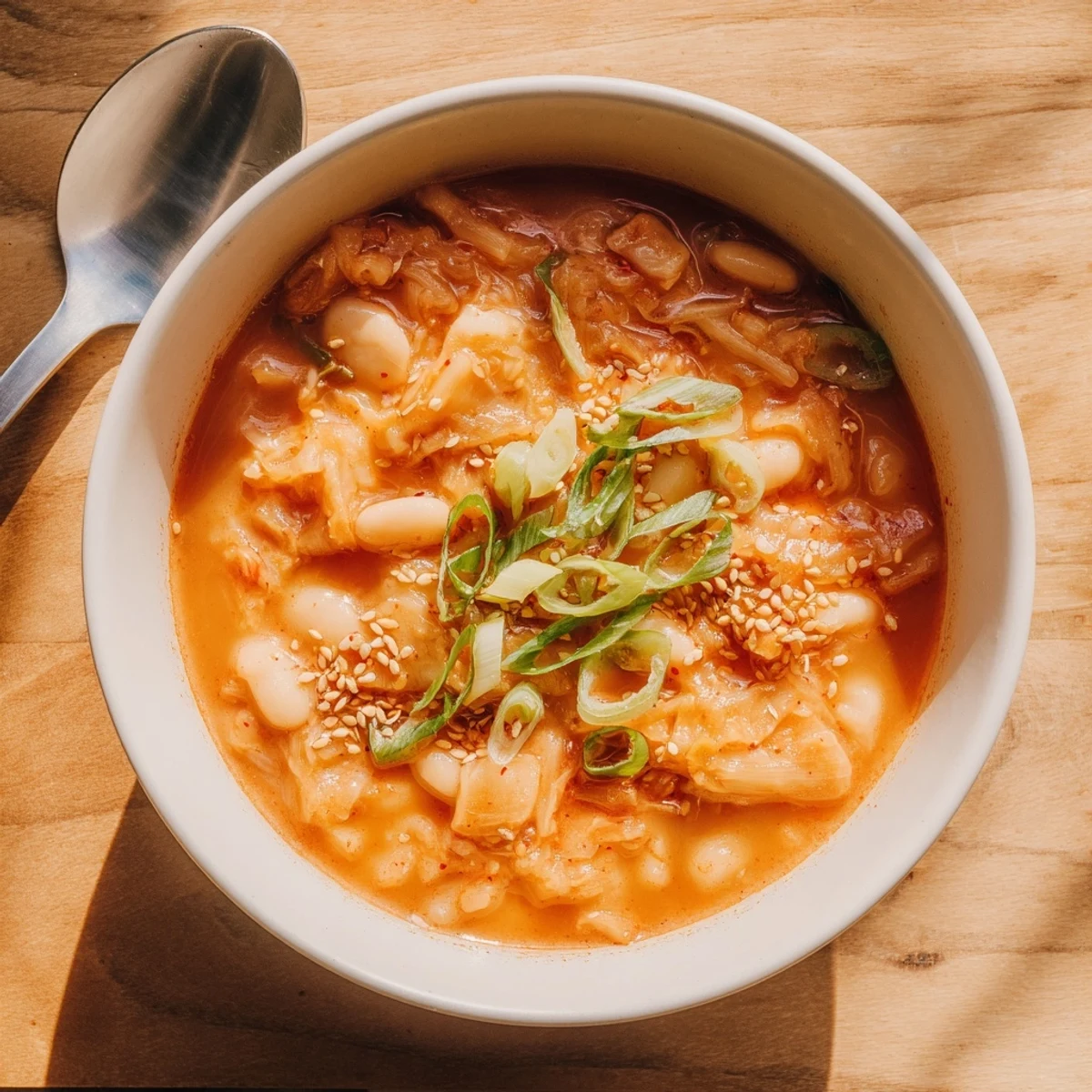
Save This soup became my go to contribution for potlucks after the time I brought it to a friends dinner party and someone asked if they could just take home the leftovers instead of dessert. The best part is watching people's expressions change from skeptical curiosity to genuine surprise when they realize how something so simple can taste so complex and satisfying.
Making It Your Own
Once you've made the base recipe a few times, you'll start developing opinions about how you like it best. Some days I want it almost stew like with extra beans, while other times I add more broth for a soupier version that's perfect with crusty bread for dipping.
Make Ahead Magic
This soup actually improves after a day in the refrigerator as the kimchi continues to ferment slightly and the beans absorb more of the spiced broth. I make a double batch on Sunday and portion it into glass containers, which means lunch is just a quick reheat away during busy work weeks.
Serving Ideas
While this soup is perfectly satisfying on its own, I love serving it with steamed rice for a more substantial meal that reminds me of the Korean soup rice bowls I used to get in college. The rice soaks up that spicy, tangy broth and turns every bite into this perfect harmony of flavors and textures.
- Add a squeeze of fresh lime right before serving to brighten everything
- Top with a soft boiled egg if you want extra protein
- Keep some extra gochugaru on the table for the spice lovers
 Save
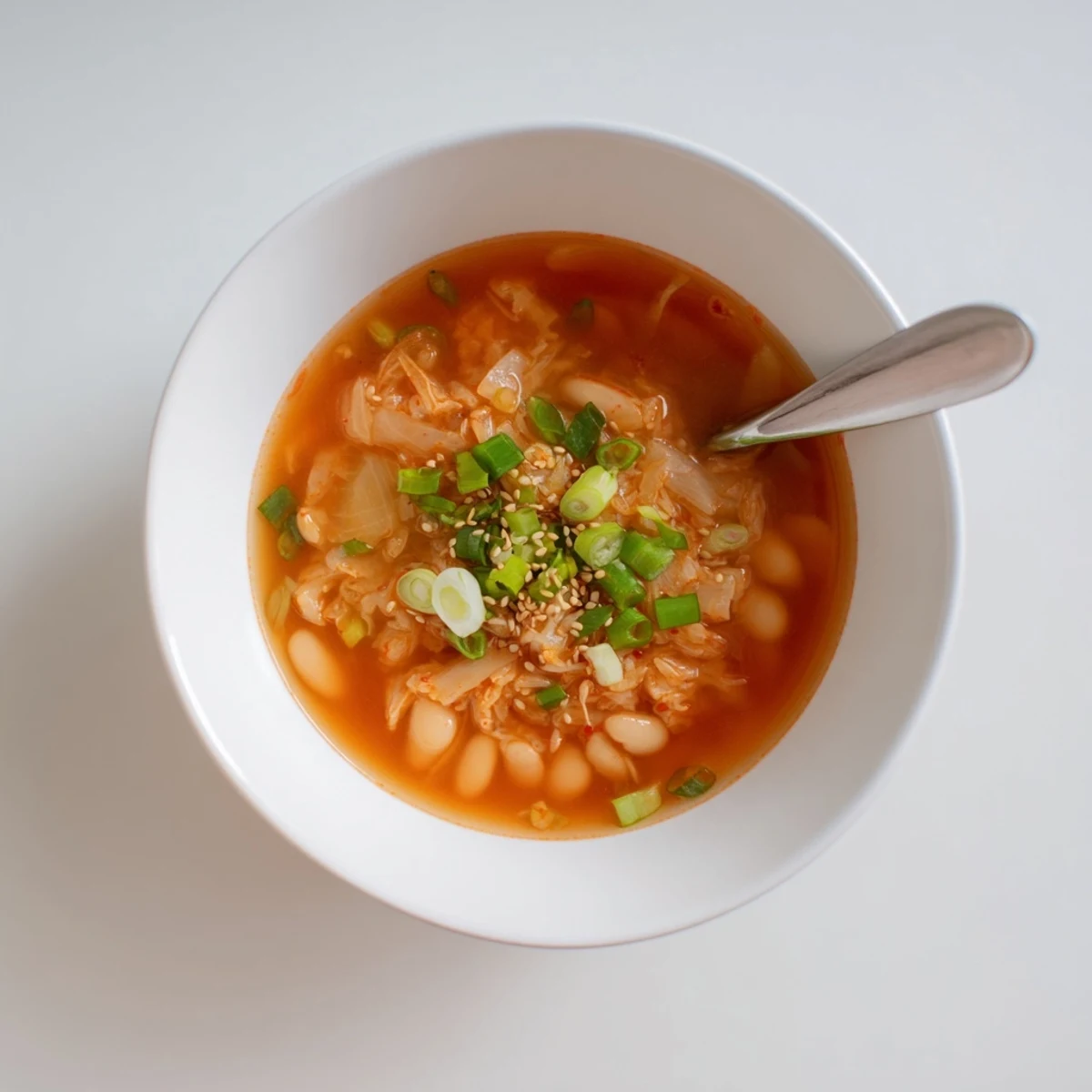
Save There's something deeply comforting about a bowl of soup that's both warming and enlivening at the same time, hitting that perfect spot between cozy and exciting. Keep this recipe in your back pocket for days when you need something that feels like a hug but also wakes up your taste buds.
Recipe Questions & Answers
- → Can I make this less spicy?
-
Absolutely. Reduce the gochugaru to half a teaspoon and omit the gochujang. You can also choose a milder kimchi variety. The soup will still be flavorful without the intense heat.
- → What type of white beans work best?
-
Cannellini or navy beans are ideal due to their creamy texture and mild flavor that complements the bold kimchi. Great Northern beans are also suitable alternatives.
- → Is this freezer-friendly?
-
Yes, this soup freezes beautifully. Cool completely before transferring to airtight containers. It will keep for up to 3 months in the freezer. Thaw overnight in the refrigerator before reheating.
- → Can I use homemade kimchi?
-
Homemade kimchi works wonderfully and often has more vibrant flavors. Ensure it's fully fermented before using. Use 2-3 tablespoons of the fermentation liquid in place of kimchi juice.
- → What can I serve alongside?
-
Steamed rice creates a complete meal. Crusty bread absorbs the flavorful broth. A simple cucumber salad or pickled vegetables provide refreshing contrast to the rich, spicy soup.
- → How do I store leftovers?
-
Store in an airtight container in the refrigerator for up to 4 days. The flavors actually develop and improve after a day. Reheat gently on the stovetet, adding a splash of water if needed.