
 Save
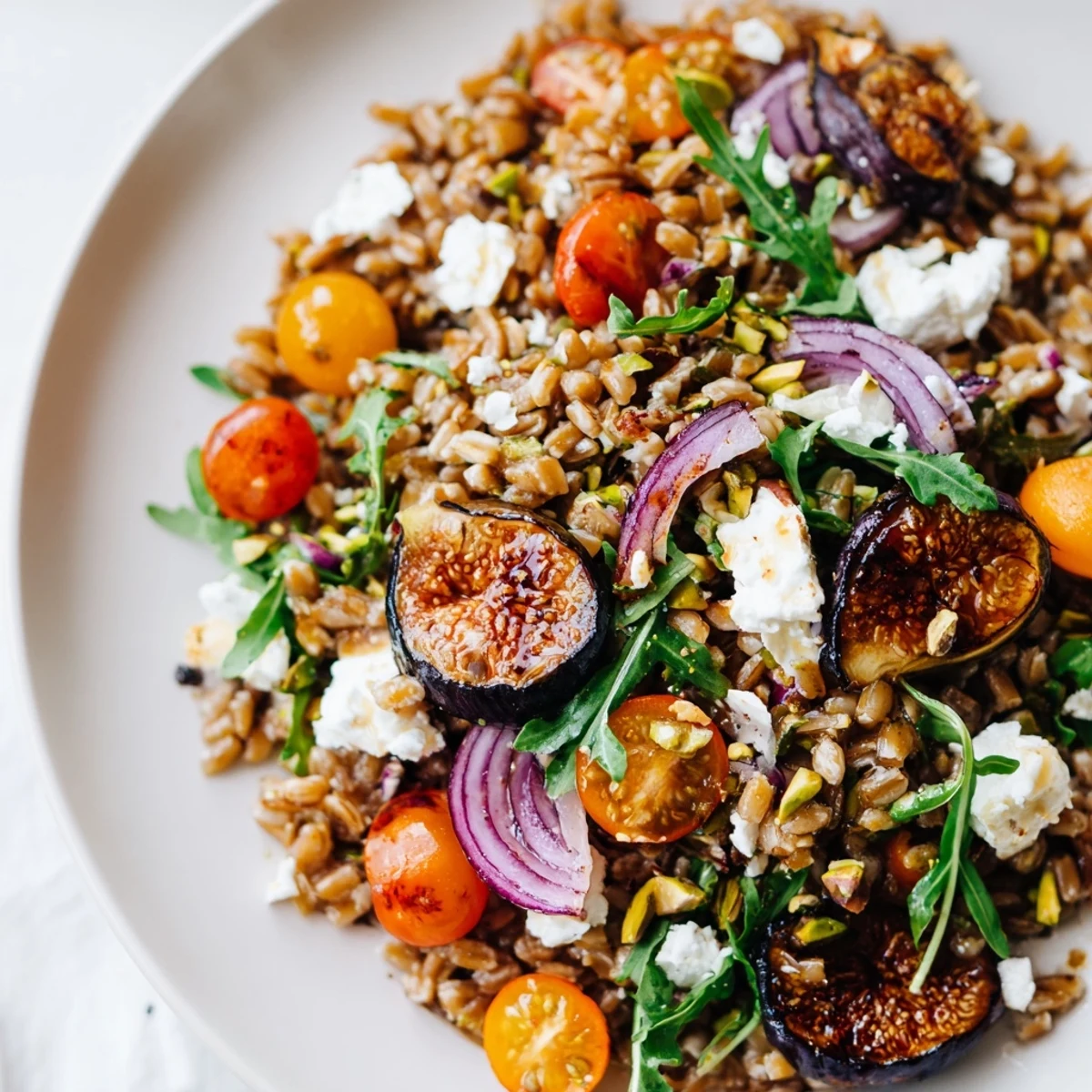
Save This Mediterranean-inspired grain salad combines chewy, nutty farro with caramelized roasted figs for a beautiful balance of textures and flavors.
A bright lemon-thyme honey dressing ties together sweet, savory, and herbal notes, while cherry tomatoes and peppery arugula add freshness and color.
Ready in under an hour, it serves four as a satisfying vegetarian main or a crowd-pleasing side dish for gatherings.
Something shifted in my kitchen the autumn I discovered roasted figs paired with lemon and thyme over a bed of farro. The oven filled with this jammy, herbal sweetness that made me stop mid chop and just breathe. It was one of those accidental dinners born from a farmers market haul and zero plan, the kind that somehow turns into a staple you crave year round.
I brought this to a potluck once in a big ceramic bowl and watched a friend who swears she hates fruit in savory food go back for thirds. That moment taught me never to underestimate the converting power of roasted figs and a good lemon honey dressing.
Ingredients
- Farro (1 cup): The chewy, nutty backbone of the salad; rinse it well before cooking to remove any dusty bitterness.
- Water (3 cups) and salt (1/2 teaspoon): For cooking the farro; treat it like pasta water, it should taste slightly seasoned.
- Fresh figs, quartered (8): Use ripe but not mushy figs, as they collapse into sweet jammy bites when roasted.
- Cherry tomatoes, halved (1 cup): They add a bright, acidic pop that balances the richness of the figs.
- Arugula or baby spinach (2 cups): Arugula brings a peppery bite, but spinach works if you want something milder.
- Red onion, thinly sliced (1 small): Soak the slices in ice water for ten minutes if you find raw onion too harsh.
- Lemon zest and juice (1 large): The zest carries floral perfume while the juice cuts through the honey and olive oil.
- Extra virgin olive oil (3 tablespoons total): One tablespoon for roasting figs, two for the dressing; use the good stuff here.
- Honey (1 tablespoon): It rounds out the lemon acidity and helps the dressing cling to every grain of farro.
- Dijon mustard (1 teaspoon): A quiet emulsifier that also adds a subtle warmth beneath the sweetness.
- Fresh thyme leaves (1 tablespoon): Strip the leaves off the stems by pulling backwards; fresh thyme makes a noticeable difference.
- Salt and black pepper: Season the farro water and the dressing separately for layered flavor.
- Crumbled feta cheese (1/4 cup, optional): Salty creaminess that ties everything together; skip it for a vegan version.
- Toasted pistachios or walnuts, chopped (2 tablespoons): Toast them in a dry pan for two minutes to wake up their flavor and crunch.
Instructions
- Preheat and prepare your pan:
- Set your oven to 400 degrees Fahrenheit and line a baking sheet with parchment paper so the figs do not stick and cleanup is effortless.
- Roast the figs until jammy:
- Arrange the quartered figs on the sheet, drizzle with one tablespoon olive oil, sprinkle with a pinch of salt and about a third of the thyme, and roast for fifteen minutes until the edges caramelize and the kitchen smells like a Mediterranean bakery.
- Cook the farro to tender chewiness:
- While the figs roast, rinse the farro under cold water, then simmer it in a saucepan with three cups water and half a teaspoon salt for twenty to twenty five minutes until tender but still slightly firm, then drain and spread on a tray to cool quickly.
- Whisk a bright lemon thyme dressing:
- In a large bowl, combine the lemon zest, lemon juice, two tablespoons olive oil, honey, Dijon mustard, and remaining thyme, whisking until the dressing looks creamy and emulsified before seasoning with salt and pepper to taste.
- Toss everything together gently:
- Add the cooled farro, roasted figs with any pan juices, cherry tomatoes, arugula, and red onion to the dressing bowl, folding carefully so the figs stay somewhat intact rather than turning to mush.
- Finish and serve with flair:
- Transfer the salad to a wide serving platter, scatter crumbled feta and toasted nuts over the top, and serve immediately or chill for up to two hours to let the flavors deepen.
 Save
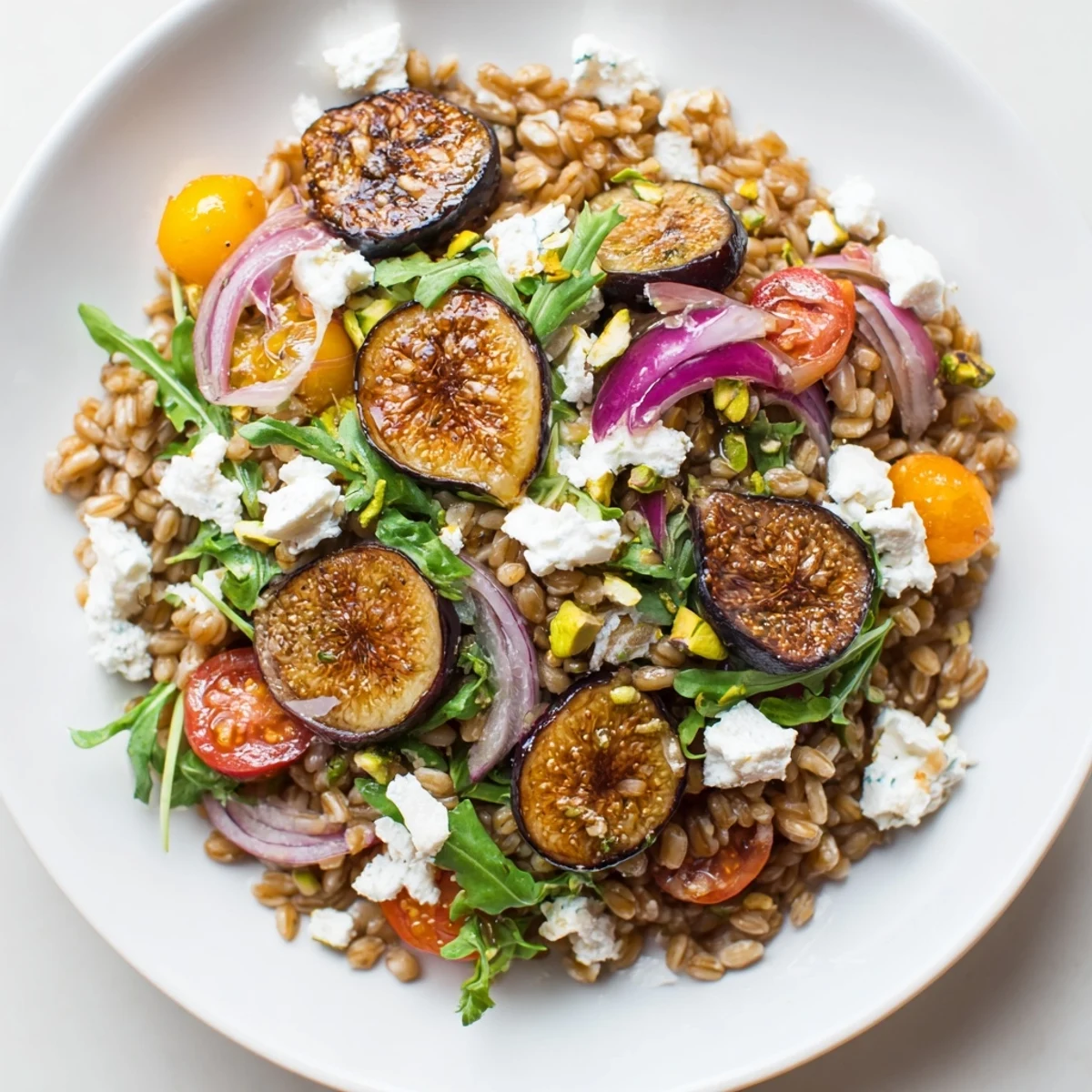
Save There was a rainy Tuesday when I ate an enormous bowl of this standing at the counter, still in my coat, because it was that good straight from the mixing bowl. Some dishes do not need a table or ceremony to prove their worth.
Swaps and Substitutions
Quinoa works beautifully if you need a gluten free option, and barley brings an even chewier, earthier quality that leans cozy for fall. For a fully vegan plate, swap the honey for maple syrup and leave the feta behind or replace it with a sprinkle of nutritional yeast for tangy depth.
What to Serve Alongside
A glass of crisp Sauvignon Blanc or a chilled dry rose feels made for this salad, their citrus and mineral notes echoing the lemon thyme dressing. It also sits happily next to grilled chicken thighs or roasted salmon if you want to stretch it into a heartier meal.
Storing and Making Ahead
The farro and dressing can be prepped a day ahead and stored separately in the fridge, which makes weeknight assembly nearly instant. Add the arugula, figs, and tomatoes right before serving so nothing goes limp.
- Keep leftover dressed salad in an airtight container for up to one day, though the greens will soften.
- Toast extra nuts while the oven is already on and stash them in a jar for sprinkling on everything.
- Always taste the dressing one more time before serving, as cold dulls flavors and a squeeze of lemon can revive it instantly.
 Save
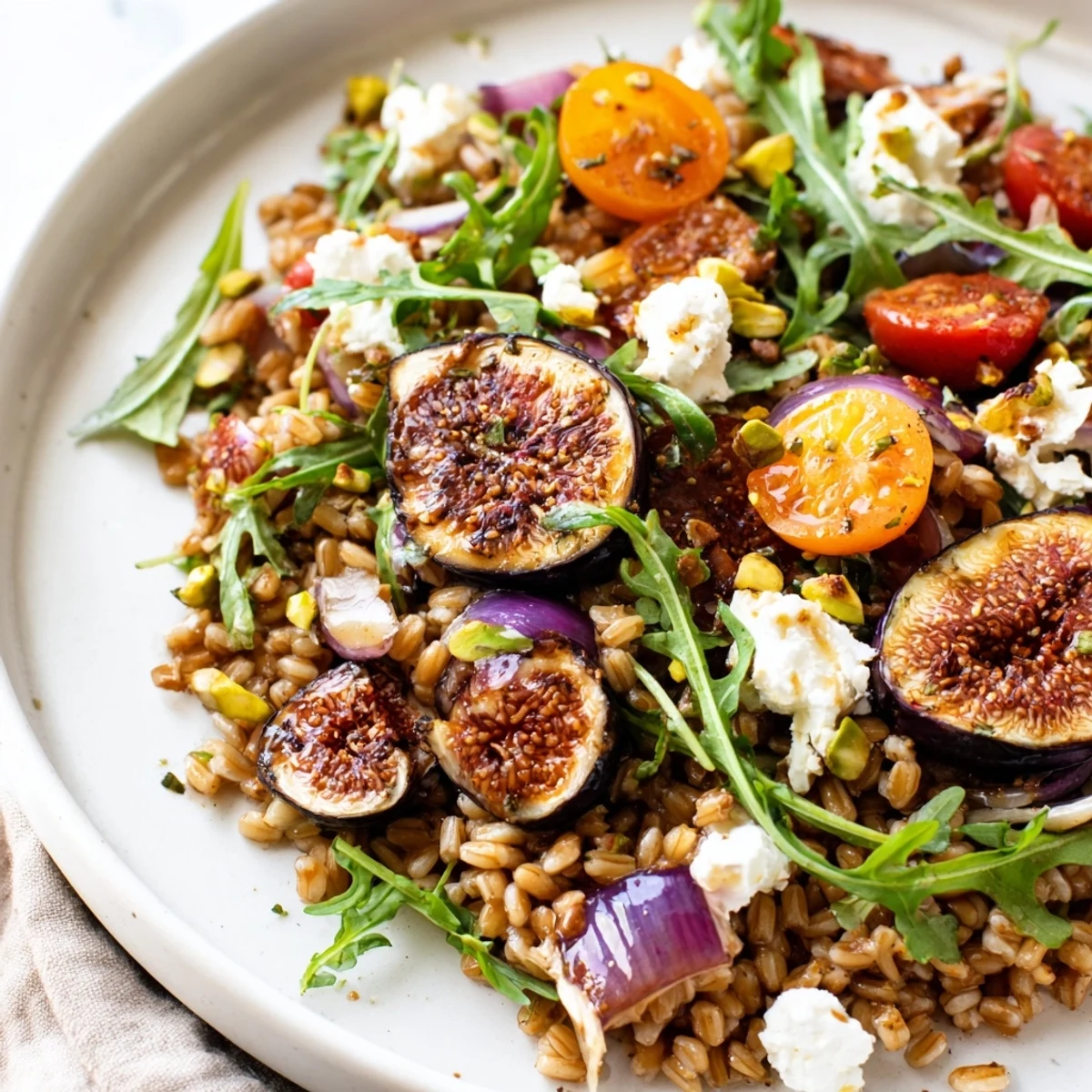
Save This salad is proof that a handful of humble ingredients, treated with a little care, can become the dish everyone asks you to bring everywhere. Make it once and it will follow you through every season.
Recipe Questions & Answers
- → Can I make this farro salad ahead of time?
-
Yes, you can prepare the farro and roast the figs up to a day in advance. Store them separately in the refrigerator, then combine with the dressing, greens, and remaining ingredients just before serving for the freshest texture.
- → What can I substitute for farro?
-
Quinoa, barley, or freekeh all work well as substitutes. Quinoa keeps it gluten-free, while barley offers a similarly chewy bite. Adjust cooking times according to the grain you choose.
- → How do I select the best figs for roasting?
-
Choose figs that are plump, slightly soft to the touch, and free of bruises. They should yield gently when pressed but not feel mushy. Fresh Black Mission or Brown Turkey figs are excellent choices.
- → Can I make this salad vegan?
-
Absolutely. Simply omit the feta cheese or replace it with a plant-based alternative, and swap the honey for maple syrup or agave nectar in the dressing.
- → How should I store leftovers?
-
Store leftover salad in an airtight container in the refrigerator for up to two days. The arugula may wilt slightly, so consider adding fresh greens when reheating or serving the remainder.
- → What wine pairs well with this dish?
-
A crisp Sauvignon Blanc or a dry rosé complements the sweet figs, zesty lemon, and herbal thyme beautifully. The acidity in these wines balances the honey dressing and richness of the feta.