
 Save
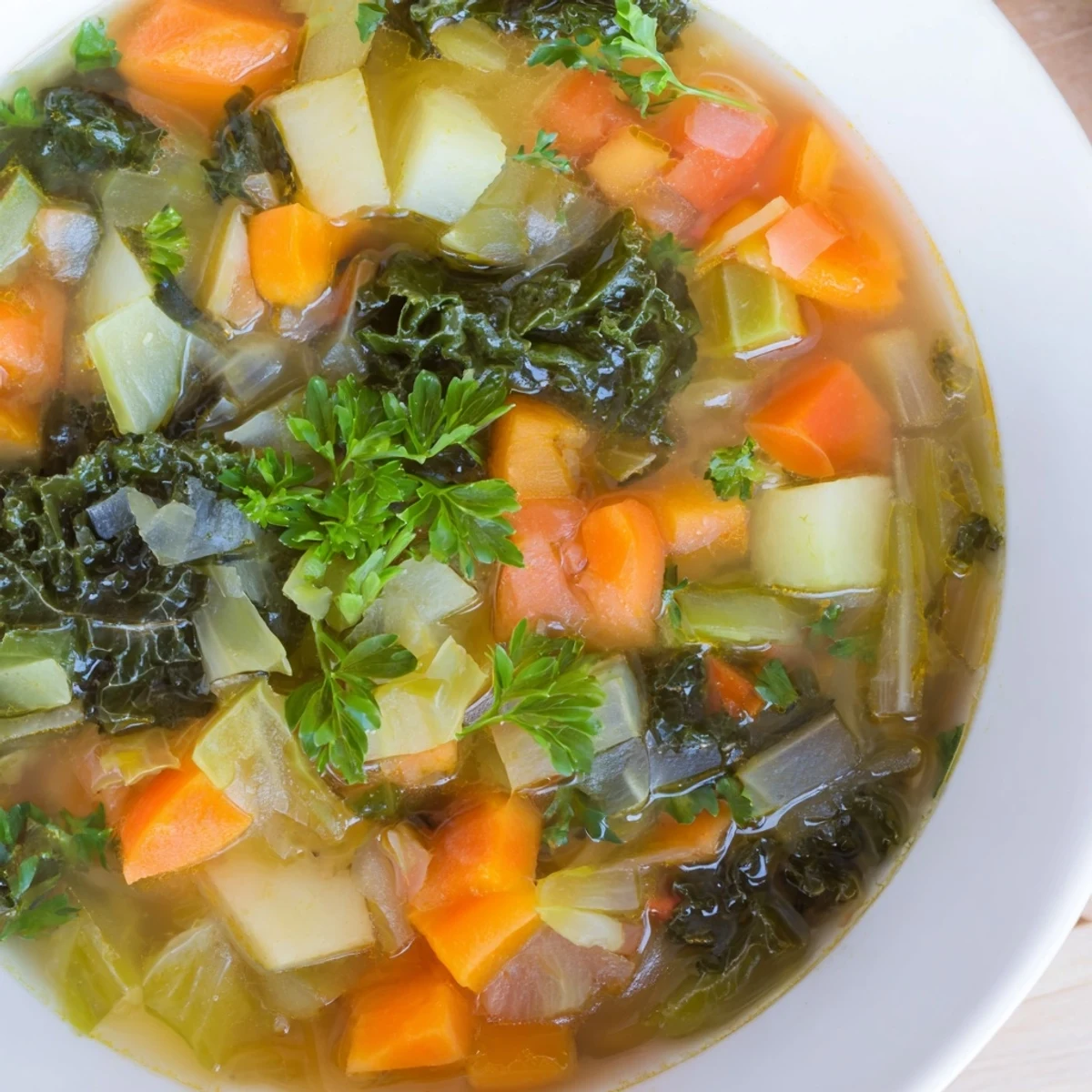
Save This hearty bowl begins by sautéing onions, leeks, and root vegetables like potatoes and carrots in olive oil. After adding vegetable broth and aromatic herbs, the mixture simmers until tender. Tougher greens like cabbage and kale join the pot next, followed by delicate spinach and fresh parsley just before finishing. Seasoned with lemon and a pinch of chili, it can be blended smooth or served chunky for a satisfying, warming meal.
There's something about the first truly cold snap that makes me crave this soup. Last November, I was standing in the kitchen at dusk, watching the light fade earlier than I expected, and decided it was time to stop making summer salads. I pulled out a bag of kale that had been waiting in the fridge and started chopping—onions, carrots, potatoes—letting the routine of knife work calm my mind while the weather turned outside.
I made this for my neighbor last winter when she was recovering from surgery. She sat at my kitchen table while I stirred the pot, and we talked about her garden plans for spring even though snow was still on the ground. When she took that first spoonful, she closed her eyes for a moment—that's when I knew I'd gotten something right.
Ingredients
- Olive oil: Use a good one you actually like tasting; it's not hidden here.
- Onion and leeks: The onion gives base flavor, but the leeks—they're the secret sweetness that develops as they soften.
- Garlic: Two cloves is enough; garlic can bully a delicate green soup if you're not careful.
- Potatoes and carrots: These ground the soup with substance and natural sweetness.
- Parsnip: It adds an earthiness that makes people ask what that flavor is.
- Savoy cabbage: Mild compared to green cabbage, and it breaks down beautifully into the broth.
- Kale: Hearty and forgiving, though you can swap it for chard or collards if that's what you have.
- Spinach: Adds brightness and wilts away almost immediately.
- Fresh parsley: Don't skip this; it's the final note that makes the whole thing sing.
- Vegetable broth: Quality matters here since it's the backbone of everything else.
- Thyme and marjoram: Dried herbs work perfectly; they steep into the warm liquid and perfume the whole pot.
- Lemon juice: Added at the end, it lifts everything and prevents the soup from tasting flat or heavy.
- Chili flakes: Optional, but a pinch gives a gentle warmth that complements winter greens.
Instructions
- Start the base:
- Heat oil in your pot until it shimmers, then add onion and leeks. Let them soften for about 4 minutes, stirring occasionally, until they're turning translucent and beginning to smell sweet.
- Build the foundation:
- Stir in the garlic, potatoes, carrots, and parsnip. Give them a few minutes in the hot oil to start releasing their flavors before you add liquid.
- Simmer the roots:
- Pour in the broth and add thyme and marjoram, then bring it to a boil before turning the heat down to a gentle simmer. Let it go for about 15 minutes until the potatoes and carrots are almost tender.
- Add the greens:
- Stir in the cabbage and kale, pushing them down into the liquid. They'll seem like too much at first, but they collapse into nothing. Simmer another 10 to 12 minutes until they're tender and the whole pot has turned a rich green.
- Finish with freshness:
- Add the spinach and parsley, stirring gently until the spinach dissolves into the warmth. This takes barely 2 minutes.
- Season and adjust:
- Squeeze in the lemon juice, taste, and add salt and pepper. If you want that gentle warmth, add the chili flakes now.
- Texture choice:
- Use an immersion blender to break down some of the vegetables if you prefer a creamier soup, or leave it chunky and honest.
 Save
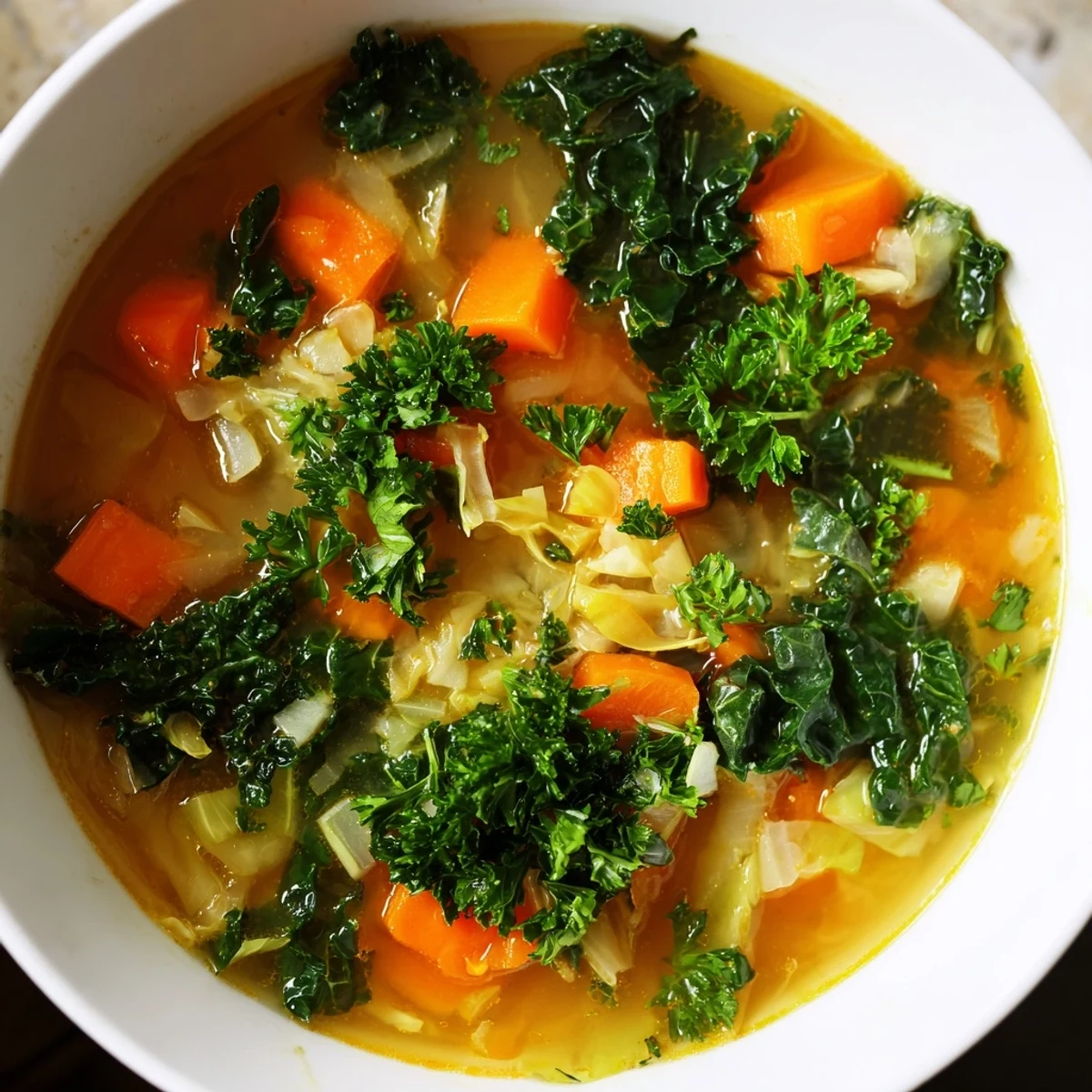
Save My daughter asked for seconds that winter night, and my son actually ate kale without complaining. That's when I realized this soup had crossed over from something I made for myself into something that became part of how we eat together.
Why Winter Greens Matter
Winter greens taste different than their summer cousins—more mineral, more grounded, less delicate. Kale, chard, and cabbage are built for cold weather and harsh growing conditions, which means they have deeper flavors and sturdier textures that hold up to long cooking. This soup celebrates that difference instead of fighting it.
Room for Your Own Taste
I've made this soup a dozen different ways depending on what's in my crisper drawer and my mood. Last month I added white beans for more protein because I was hungrier. Another time I stirred in a splash of coconut milk at the very end because I wanted richness without dairy. The structure is solid enough to handle your own additions, and that's exactly the point.
Serving and Pairing
Serve this soup hot with good bread—something rustic and sourdough that can soak up the liquid and stand up to the flavors. A simple green salad on the side feels wrong; instead, let the soup be the main event. Crusty bread and maybe a small cheese plate is all you need.
- A drizzle of good olive oil or a squeeze of fresh lemon on top of each bowl makes it feel less plain.
- If you're cooking for guests, make it a day ahead; the flavors actually deepen as it sits.
- This soup freezes beautifully in containers, and a warm bowl tastes like comfort you made yourself weeks ago.
 Save
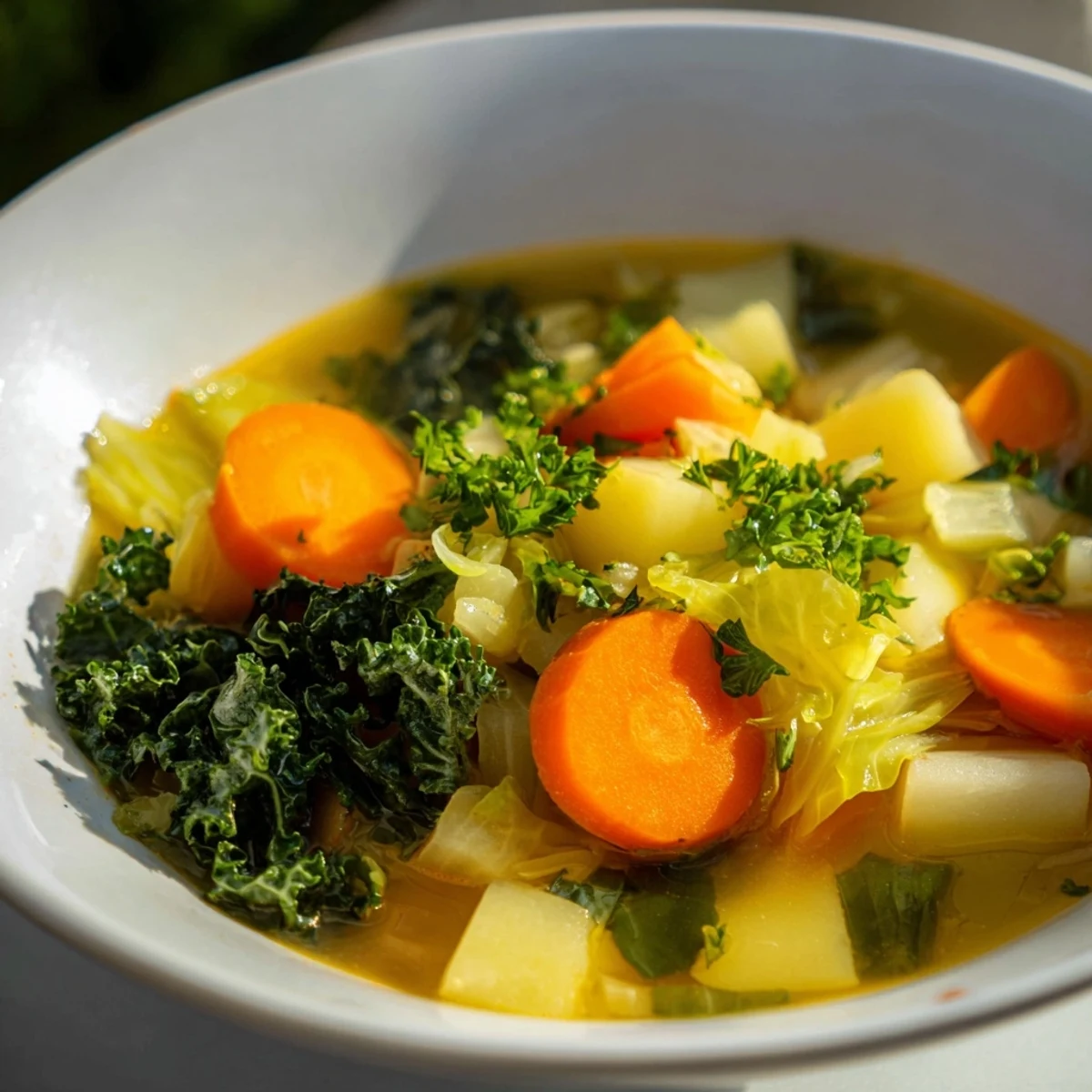
Save This soup reminds me why I love cooking in winter. There's something about turning simple vegetables and herbs into something warm and alive that feels like its own kind of magic.
Recipe Questions & Answers
- → Can I make this creamy?
-
Yes, stir in 100 ml of coconut milk at the end for a creamy texture without dairy.
- → What greens work best?
-
Savoy cabbage, kale, and spinach are used, but you can swap kale for Swiss chard or collard greens.
- → Is this suitable for freezing?
-
Yes, this freezes well. Let it cool completely before storing in airtight containers for up to 3 months.
- → How do I adjust the consistency?
-
Use an immersion blender for a smoother texture or leave it chunky. Add more broth if it is too thick.
- → What should I serve with it?
-
It pairs perfectly with rustic sourdough bread for dipping or a simple side salad for a complete meal.