
 Save
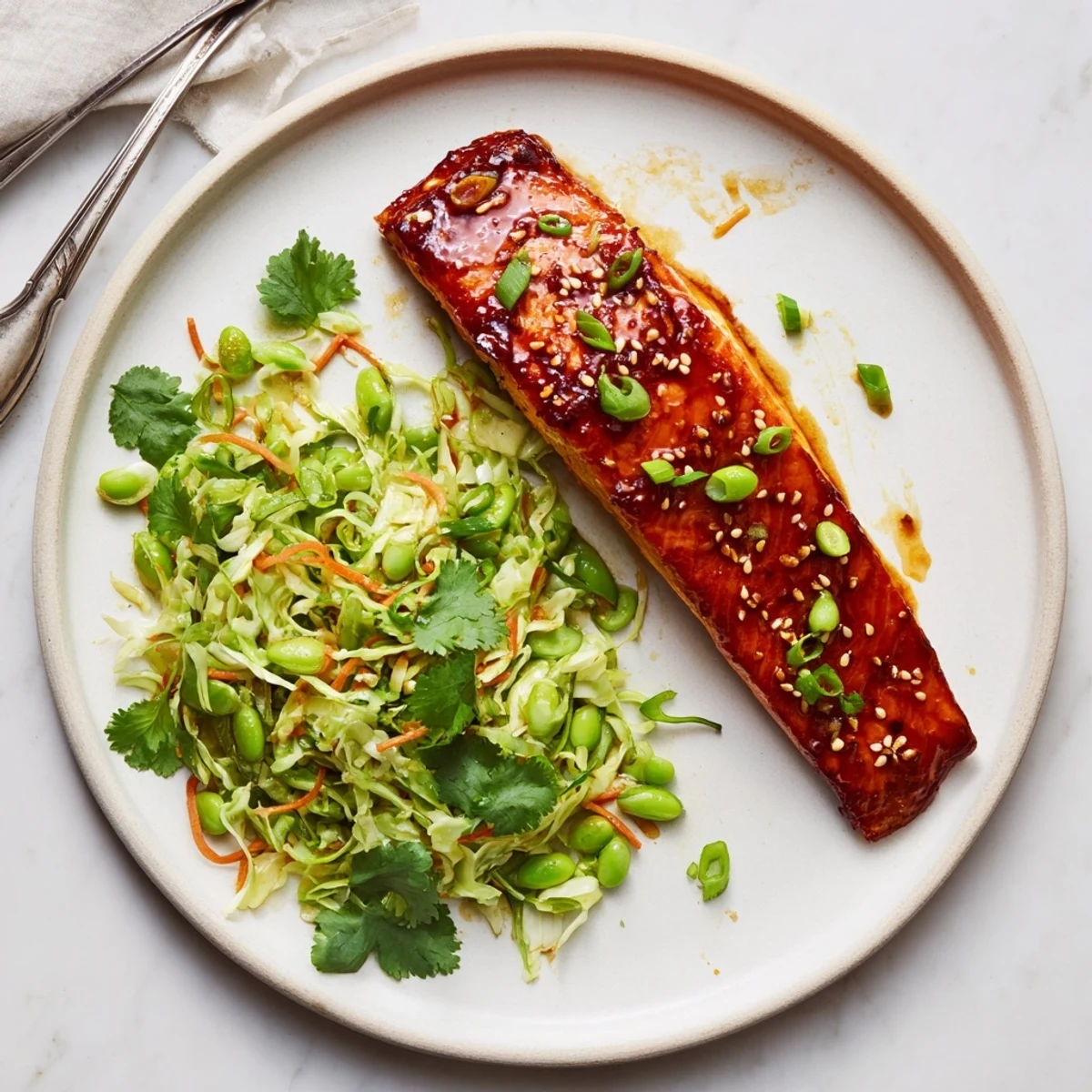
Save This dish features tender salmon fillets brushed with a savory-sweet glaze made from white miso paste, pure maple syrup, soy sauce, and aromatic ginger and garlic. The fish bakes until just cooked through with a slightly caramelized finish, creating a beautiful contrast in textures and flavors. The accompanying slaw brings crunch and freshness with shredded green cabbage, thinly sliced snap peas, and julienned carrots, all tossed in a tangy sesame dressing. The entire assembly comes together in just 35 minutes, making it perfect for weeknight dinners while still feeling elegant enough for entertaining. The Japanese-inspired flavors create a balanced fusion of sweet, salty, and umami notes that pair beautifully with the rich, buttery salmon.
The smell of miso caramelizing in the oven is enough to make anyone wander into the kitchen asking what is for dinner. I threw this together on a rainy Tuesday when the fridge held salmon and a half head of cabbage and somehow it became the most requested dinner in my house. The glaze is salty, sweet, and deeply savory all at once.
My neighbor stopped by once while I was broiling the salmon and stood in the doorway just breathing in. She ended up staying for dinner and now texts me every few weeks hinting that it might be a good night for fish.
Ingredients
- 4 skin-on salmon fillets (about 5 oz each): Skin-on holds together beautifully during baking and gets a lovely golden edge under the broiler.
- 2 tbsp white miso paste: White miso is mild and slightly sweet, which balances the maple without overpowering the fish.
- 2 tbsp pure maple syrup: Real maple syrup, not the imitation kind, gives the glaze its genuine caramel notes.
- 1 tbsp low-sodium soy sauce: Adds depth and salt without making the glaze too aggressive.
- 1 tbsp rice vinegar: A gentle acidity that brightens the whole glaze and cuts through the richness.
- 1 tbsp sesame oil: Toasted sesame oil brings a nutty warmth that ties the dish to its Japanese roots.
- 1 tsp grated fresh ginger: Fresh ginger adds a subtle hum of spice that dried ginger cannot replicate.
- 1 clove garlic, minced: Just one clove is enough to give the glaze backbone without taking over.
- 1 tsp toasted sesame seeds, 1 tbsp sliced scallions, pinch of black pepper: These finish the dish with color, crunch, and a gentle bite.
- 2 cups shredded green cabbage: The sturdy base of the slaw that holds up beautifully to dressing.
- 1 cup snap peas, thinly sliced on the diagonal: Sweet crunch that makes the slaw feel special instead of ordinary.
- 1 medium carrot, julienned: Adds bright orange color and a mild sweetness.
- 2 tbsp chopped fresh cilantro: A freshness that lifts the whole slaw, though parsley works if cilantro is not your thing.
- 2 tbsp toasted sesame seeds for the slaw: Extra crunch and nutty flavor scattered throughout.
- 2 tbsp rice vinegar, 1 tbsp sesame oil, 1 tbsp low-sodium soy sauce, 1 tsp honey or maple syrup, 1 tsp toasted sesame seeds, 1/2 tsp grated fresh ginger, pinch of salt and black pepper for the dressing: Whisked together, these create a tangy, nutty dressing that coats every strand of slaw without wilting it.
Instructions
- Get the oven hot:
- Preheat your oven to 400 degrees F and line a baking sheet with parchment paper so the salmon lifts off cleanly later.
- Whisk the glaze:
- In a small bowl, whisk the miso paste, maple syrup, soy sauce, rice vinegar, sesame oil, ginger, and garlic until smooth and glossy, pressing out any lumps of miso with the back of your spoon.
- Glaze the salmon:
- Pat the fillets dry with paper towels and lay them skin-side down on the baking sheet, then brush generously with the glaze, saving a little extra for serving if you like.
- Bake until caramelized:
- Bake for 10 to 12 minutes until the salmon is just cooked through and the glaze has turned a deep amber, then hit it under the broiler for 1 to 2 minutes if you want those gorgeous dark edges.
- Build the slaw:
- While the salmon bakes, toss the cabbage, snap peas, carrot, cilantro, and sesame seeds together in a large bowl.
- Dress and toss:
- Whisk all the dressing ingredients in a small bowl until the honey dissolves, then pour it over the slaw and toss with your hands or tongs until every piece glistens.
- Plate it up:
- Set each salmon fillet on a plate with a generous mound of slaw alongside, then scatter scallions and extra sesame seeds over the fish for a finished look.
 Save
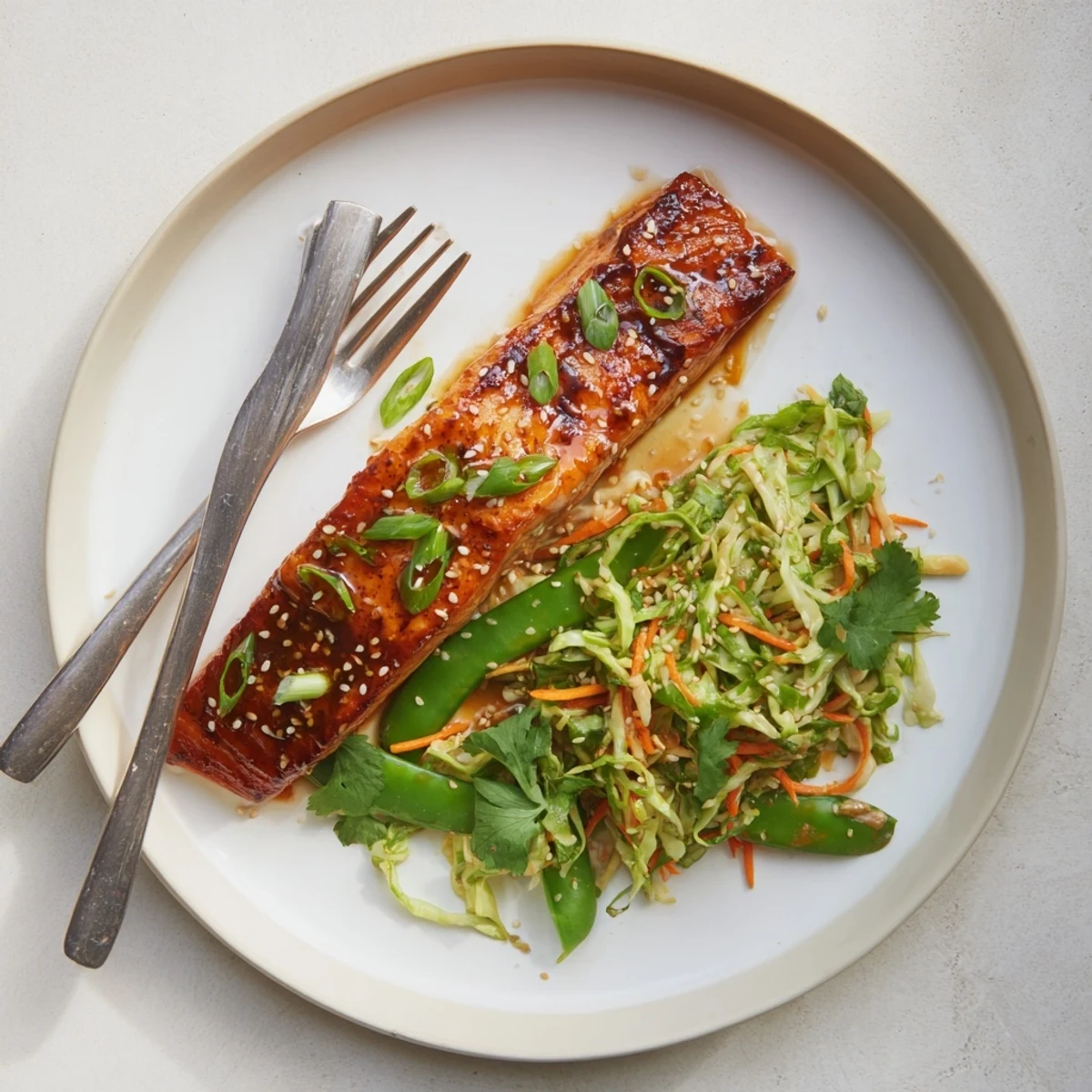
Save There is something about the combination of warm, sticky salmon and cold, crunchy slaw that makes everyone at the table slow down and eat quietly for a few minutes.
Getting the Glaze Just Right
The trick is warming the miso paste slightly before whisking so it blends smoothly without stubborn lumps. I sometimes pop the bowl in the microwave for ten seconds to soften it, which makes whisking almost effortless. If your glaze seems too thick, a tiny splash of warm water loosens it perfectly.
Making It a Complete Meal
This dish is substantial on its own but a bowl of warm brown rice or quinoa underneath turns it into something deeply satisfying. On nights when I want to keep things lighter, I skip the grain and just double the slaw. A cold Japanese beer or a glass of Sauvignon Blanc alongside is honestly ideal.
Smart Shortcuts and Swaps
Pre-shredded cabbage from the store works fine when you are short on time and still tastes great with the dressing. I have swapped snap peas for thinly sliced radishes and added roasted peanuts for crunch, both excellent choices. The glaze also works wonders on chicken thighs if salmon is not available.
- Keep extra glaze in a jar in the fridge for up to a week and use it on roasted vegetables.
- Frozen salmon works beautifully if you thaw it completely and pat it very dry before glazing.
- Leftover slaw makes a surprisingly good lunch the next day tucked into a wrap with the cold salmon flaked over it.
 Save
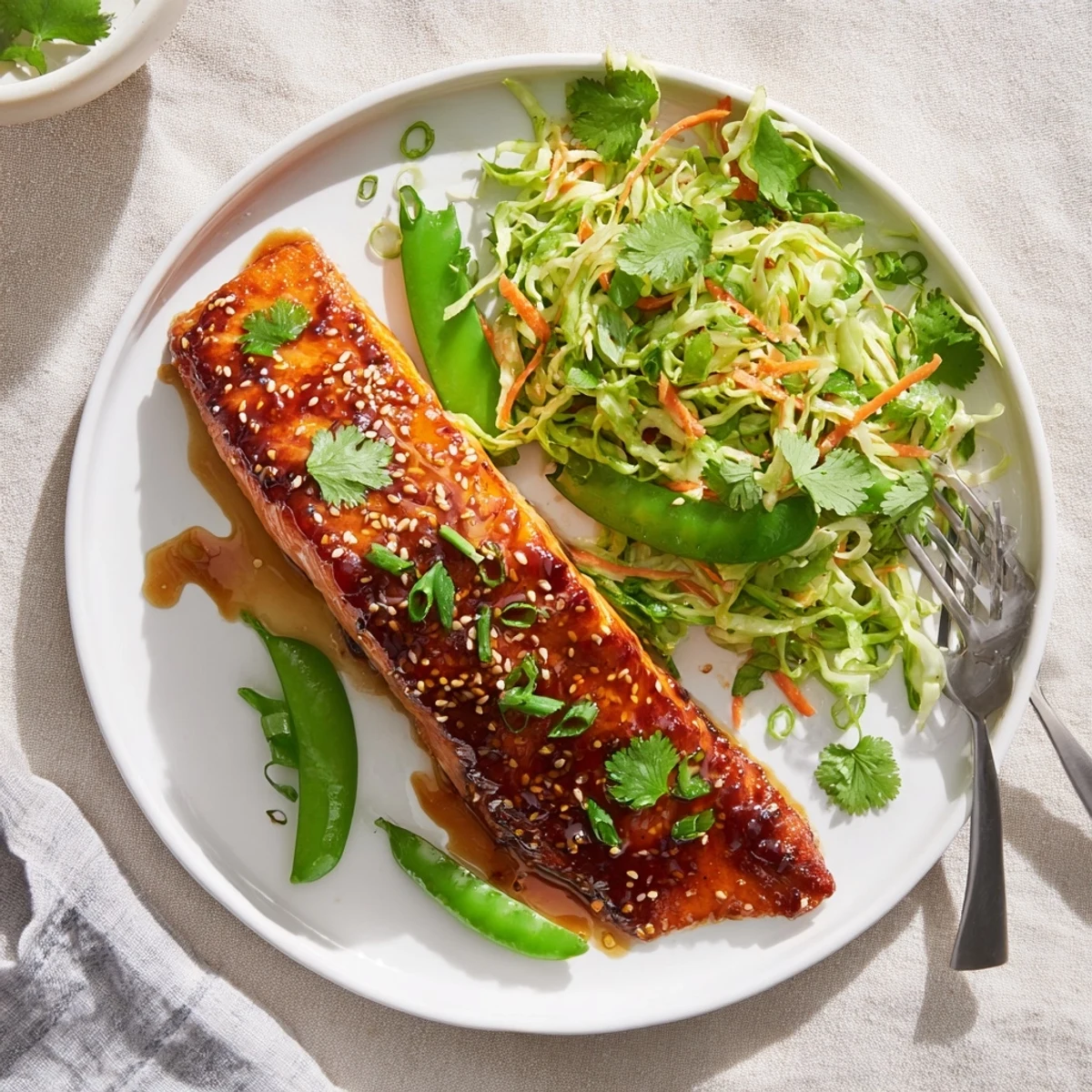
Save This is the kind of meal that makes a regular weeknight feel a little more special without asking much of you at all.
Recipe Questions & Answers
- → What does miso maple salmon taste like?
-
The combination creates a perfect balance of savory and sweet flavors. The white miso paste provides deep umami notes, while the maple syrup adds subtle sweetness that caramelizes beautifully during baking. The ginger and garlic add warmth, creating a complex glaze that complements the rich, buttery salmon without overpowering it.
- → Can I use skinless salmon fillets?
-
Yes, skinless fillets work perfectly well. However, the skin helps protect the flesh during cooking and adds extra crispy texture. If using skinless fillets, reduce the baking time by 1-2 minutes to prevent drying, and consider brushing with extra glaze halfway through cooking.
- → How do I know when the salmon is done?
-
The salmon is finished when it flakes easily with a fork and reaches an internal temperature of 145°F. The flesh should turn opaque and slightly spring back when touched. Avoid overcooking, as the salmon will continue cooking slightly from residual heat after leaving the oven.
- → Can I prepare the slaw ahead of time?
-
The vegetables can be shredded and sliced up to 24 hours in advance and stored in airtight containers. However, dress the slaw just before serving to maintain the crisp texture. The miso maple glaze can also be made a day ahead and kept refrigerated.
- → What can I substitute for maple syrup?
-
Honey or brown rice syrup work well as alternatives, though honey will have a slightly more pronounced floral sweetness. For a refined sugar-free option, use coconut palm syrup or agave nectar. Each substitute will slightly alter the flavor profile while maintaining the desired glaze consistency.
- → Is this dish suitable for meal prep?
-
This dish meal preps beautifully. Store the cooked salmon and slaw in separate containers and refrigerate for up to 3 days. Reheat the salmon gently in a 300°F oven for 10 minutes to maintain moisture. The slaw can be enjoyed cold or brought to room temperature before serving.