
 Save
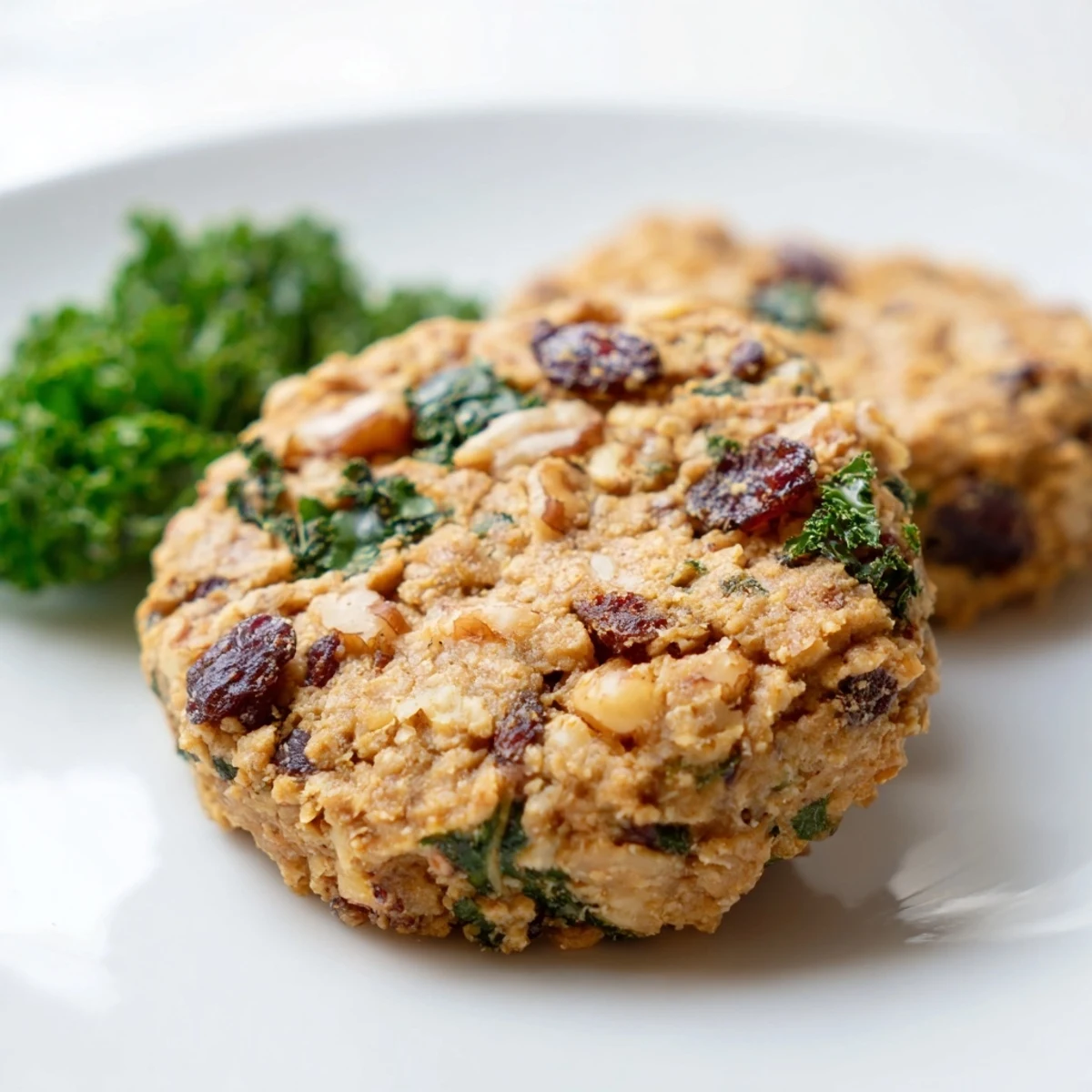
Save These soft vegan kale cookies combine wholesome ingredients like all-purpose flour, oats, and finely chopped kale for a nutritious treat. Sweetened naturally with coconut sugar and applesauce, they offer a gentle sweetness balanced by warm cinnamon. The use of coconut oil and non-dairy milk ensures a moist, tender texture. Customize with optional raisins, chocolate chips, or nuts to suit your taste. Baked until golden edges form, these delightful snacks are perfect for a quick and healthy indulgence any time of day.
I stumbled onto kale cookies by accident—my roommate had bought an enormous bunch of kale that was starting to wilt, and I was determined not to let it go to waste. The idea seemed wild at first, but there's something magical about how kale softens into cookies, becoming almost sweet and tender without losing its earthy personality. One bite and I realized I'd discovered something far better than just another chocolate chip version.
I brought a batch to a friend's book club thinking they'd be skeptical, but everyone went back for seconds—some even thirds. Watching people bite into something green and realize it was delicious was pure joy, and I've been making them ever since for skeptics and believers alike.
Ingredients
- All-purpose flour (1 1/2 cups): The base that keeps these cookies tender; whole wheat flour works beautifully too if you want more depth.
- Rolled oats (1/2 cup): They add chew and a subtle nuttiness that makes each bite interesting.
- Baking powder and baking soda (1 tsp and 1/2 tsp): The dynamic duo that gives your cookies lift and that perfect slightly-cakey texture.
- Salt and cinnamon (1/4 tsp and 1/2 tsp): Salt brightens everything; cinnamon whispers warmth without overpowering the kale.
- Coconut oil (1/2 cup, melted): It creates a tender crumb and adds subtle coconut notes that complement the earthiness beautifully.
- Coconut sugar or brown sugar (1/2 cup): Coconut sugar dissolves smoothly and brings a caramel-like depth that regular white sugar can't match.
- Applesauce (1/4 cup): This is your moisture secret—it keeps cookies soft without needing eggs or extra oil.
- Non-dairy milk (1/4 cup): Just enough to bring the dough together without making it wet; almond and oat milk work equally well.
- Vanilla extract (1 tsp): A touch of warmth that ties everything together seamlessly.
- Fresh kale (1 cup, finely chopped): Remove those tough stems first—they won't soften like the leaves do, and you want pure tender green throughout.
- Raisins or vegan chocolate chips (1/3 cup, optional): Add chew or richness; either one feels like a little gift in each cookie.
- Walnuts or pecans (1/3 cup, optional): If you use nuts, toast them lightly first—it brings out their flavor and makes them feel more intentional.
Instructions
- Prep your space:
- Heat your oven to 350°F and line your baking sheet with parchment paper. This small step prevents sticking and makes cleanup a joy rather than a chore.
- Combine the dry team:
- Whisk together flour, oats, baking powder, baking soda, salt, and cinnamon in a large bowl. You'll hear the whisks moving through the oats—that's how you know everything's evenly distributed.
- Blend the wet ingredients:
- In a separate bowl, mix the melted coconut oil, sugar, applesauce, non-dairy milk, and vanilla until smooth and slightly glossy. The mixture should smell warm and comforting.
- Bring them together:
- Pour the wet mixture into the dry ingredients and stir gently until just combined—don't overmix or your cookies will be tough instead of tender. A few flour streaks are perfectly fine.
- Fold in the kale:
- Add your finely chopped kale and any add-ins you're using, folding gently until the green is evenly distributed throughout the dough. The kale will look abundant at first, but it compresses as you fold.
- Shape the cookies:
- Scoop tablespoon-sized portions onto the prepared sheet, leaving about 2 inches between each one. Flatten each gently with your fingers or the back of a spoon—they shouldn't be thick, just solid.
- Bake until golden:
- Bake for 12 to 14 minutes until the edges turn golden and the centers feel just barely set when you touch them lightly. They'll continue cooking slightly on the hot pan after you remove them from the oven.
- Cool with patience:
- Let them rest on the baking sheet for 5 minutes, then transfer to a wire rack to cool completely. This prevents them from breaking apart and lets them set properly.
 Save
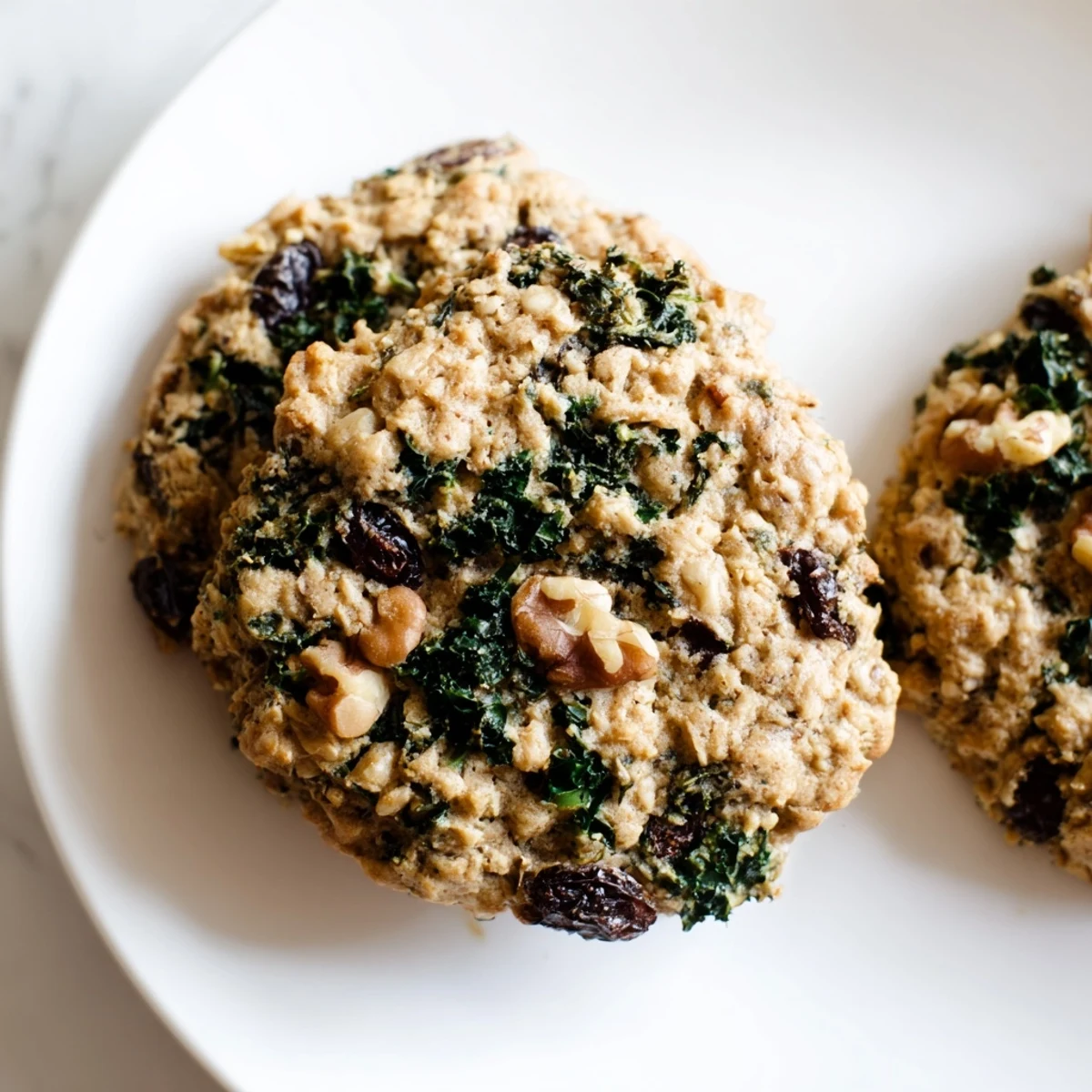
Save The moment that made these cookies feel truly special was when my grandmother—the one who eats nothing but homemade food—tried one and asked for the recipe. Seeing her face light up when she realized there was actual kale inside meant everything.
Customizing Your Batch
These cookies are wonderfully flexible, and I've played with them endlessly. Swap the kale for spinach or Swiss chard if you want something more mild, or try adding a pinch of nutmeg for a spicier warmth that feels like autumn in every bite. Maple syrup can replace sugar if you want a different sweetness entirely—use the same amount and accept that your cookies might spread slightly more, which honestly makes them even better.
Making Them Gluten-Free
If you need gluten-free cookies, a one-to-one gluten-free flour blend works perfectly as long as it includes a binder like xanthan gum. Make sure your oats are certified gluten-free too, since regular rolled oats can be cross-contaminated. I've made these for friends with celiac disease and they were just as soft and delicious.
Storage and Freezing Wisdom
These cookies keep beautifully in an airtight container at room temperature for up to five days, and they freeze exceptionally well for two months or longer. I often bake a double batch and freeze half so I have grab-and-go snacks ready whenever the craving hits. You can even thaw them at room temperature in about an hour, or eat them straight from the freezer if you like a firmer texture.
- Stack them with parchment paper between layers so they don't stick together in the freezer.
- Let frozen cookies thaw naturally—microwave reheating makes them tough and unevenly warm.
- Fresh from the counter is lovely, but day-old cookies often taste even better as the flavors settle and deepen.
 Save
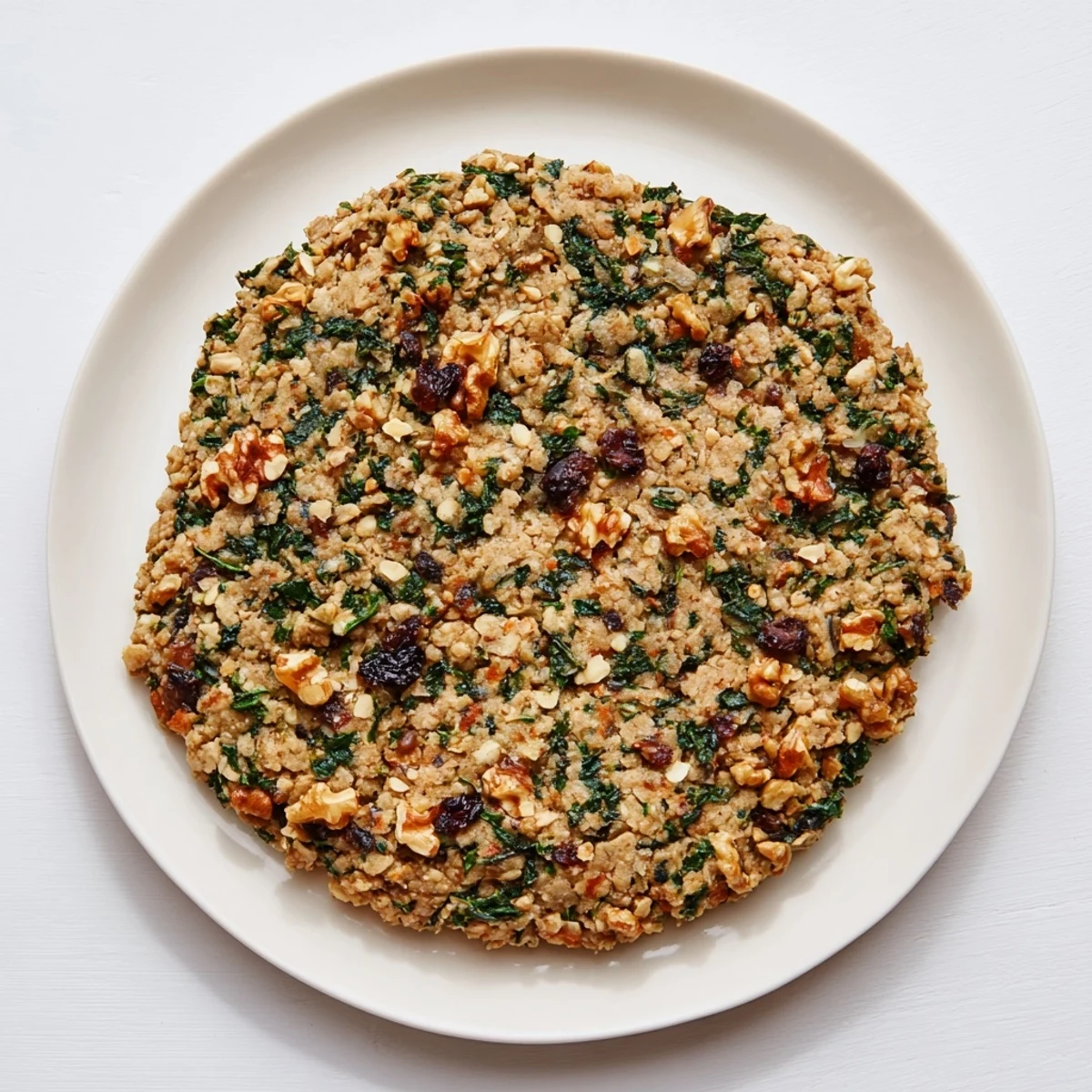
Save These cookies remind me that the best kitchen discoveries often come from trying to use up what's about to go bad. Every batch feels like a little act of resourcefulness and kindness to myself.
Recipe Questions & Answers
- → Can I substitute kale with other greens?
-
Yes, you can swap kale with spinach or Swiss chard for a milder flavor while maintaining the nutritional benefits.
- → What can I use instead of coconut sugar?
-
Maple syrup or brown sugar can be used as alternatives to coconut sugar to achieve different sweetness profiles.
- → How can I make these suitable for gluten-free diets?
-
Replace the all-purpose flour and rolled oats with gluten-free versions certified safe for gluten sensitivities.
- → Are there optional add-ins to enhance flavor?
-
Yes, raisins, vegan chocolate chips, walnuts, or pecans can be added to enhance texture and flavor.
- → How should the cookies be stored after baking?
-
Store the cooled cookies in an airtight container at room temperature or freeze them for up to two months.