
 Save
Save This comforting bowl combines whole-grain sorghum simmered until tender, then enriched with almond milk, pure vanilla and a touch of maple syrup for gentle sweetness. Cook slowly to coax a creamy texture, stirring near the end. Serve warm with fresh berries, toasted nuts and coconut flakes. For creamier results add extra milk or swap sorghum for millet or quinoa. Pairs well with tea or coffee.
The morning I discovered sorghum at a farmers market in late October, the vendor handed me a small scoop and said it would change my breakfast routine forever. I was skeptical, standing there with cold fingers and a paper cup of mediocre coffee, but that tiny grain smelled like toasted hay and possibility. Forty five minutes later, standing over my stove in wool socks, I realized she was absolutely right. The porridge that emerged was nutty and tender, nothing like the gluey oatmeal I had eaten every morning for years.
I made this for my sister the weekend she moved into her first apartment, the kind of place with bare walls and a single folding chair at the kitchen counter. She sat on the counter itself, swinging her legs while the sorghum bubbled away, and we talked about everything and nothing while the kitchen filled with steam. She still texts me photos of her sorghum bowls on Sunday mornings.
Ingredients
- 1 cup whole grain sorghum: The star of the bowl, sorghum holds its shape beautifully during cooking and delivers a satisfying chew that oats simply cannot replicate.
- 3 cups water: Plenty of liquid is essential because sorghum is thirsty and needs time to soften fully.
- Pinch of salt: Do not skip this, because salt wakes up the natural sweetness of the grain and balances the maple later on.
- 1 cup unsweetened almond milk: Added toward the end, it creates the creamy consistency that transforms cooked grain into porridge.
- 2 tablespoons pure maple syrup: Use the real stuff here, nothing artificial, because the flavor is delicate and gets lost if you use pancake syrup.
- 1 teaspoon pure vanilla extract: Stirred in off the heat so the aroma stays bright and fragrant rather than cooking off.
- 1/2 cup fresh berries: Blueberries and sliced strawberries both work beautifully and add a bright pop of tartness against the warm, sweet porridge.
- 1/4 cup chopped toasted nuts: Pecans are my favorite choice here, but almonds bring a satisfying crunch that works just as well.
- 1 tablespoon unsweetened coconut flakes: Optional, but they add a lovely chew and a faint tropical note that surprises people.
- Additional maple syrup for drizzling: A final generous pour over the top makes every bowl feel like a small act of self care.
Instructions
- Rinse the sorghum:
- Place the sorghum in a fine mesh strainer and rinse under cold running water, swishing it around with your fingers until the water runs mostly clear.
- Start the grains cooking:
- Combine the rinsed sorghum, water, and salt in a medium saucepan and bring it to a rolling boil over high heat, then immediately reduce the heat to low and cover with a tight fitting lid.
- Simmer until tender:
- Let it cook undisturbed for 40 to 45 minutes, and you will know it is ready when the grains have plumped up and absorbed most of the water, leaving just a bit of moisture at the bottom.
- Create the porridge:
- Stir in the almond milk, maple syrup, and vanilla extract, then continue cooking uncovered over low heat for about 5 minutes, stirring frequently, until the mixture thickens into a creamy, spoon coating porridge.
- Assemble the bowls:
- Remove from heat and divide the warm porridge among four bowls, then arrange fresh berries and toasted nuts over the top in whatever pattern makes you happy.
- Finish and serve:
- Scatter coconut flakes if using and drizzle with extra maple syrup, then serve immediately while the porridge is still steaming and the berries are cool against the warmth.
 Save
Save  Save
Save One January morning when the furnace was broken and I could see my breath in the kitchen, I ate this porridge standing at the window watching snow pile on the fire escape, and it occurred to me that some recipes become small anchors in a scattered life.
Making It Your Own
Millet and quinoa both work as substitutes for sorghum if you cannot find it, though the cooking time will shift and the texture will be softer. I once used leftover cooked quinoa and simply warmed it with milk and maple, which took five minutes and was a completely different but equally lovely breakfast. For extra protein, a dollop of Greek yogurt or a sprinkle of hemp seeds on top turns this into something that will keep you full until lunch.
Storage and Reheating
Cooked sorghum porridge keeps well in the refrigerator for up to four days, and I often make a double batch on Sunday to have breakfast ready for the workweek. Reheat it in a saucepan with a splash of milk, stirring until it loosens back into a creamy consistency. The microwave works too, but the stovetop method preserves the chewy texture of the grains much better.
Serving Suggestions and Final Thoughts
A cup of herbal tea or freshly brewed coffee alongside this bowl turns a quick breakfast into a proper morning ritual worth waking up early for.
- Check that your sorghum is certified gluten free if that matters to you, because cross contamination can happen during processing.
- Always check topping labels for allergens, especially with nuts and coconut flakes, since brands vary widely in their processing facilities.
- Adjust sweetness gradually, tasting as you go, because the right amount of maple depends entirely on what berries and toppings you choose.
 Save
Save 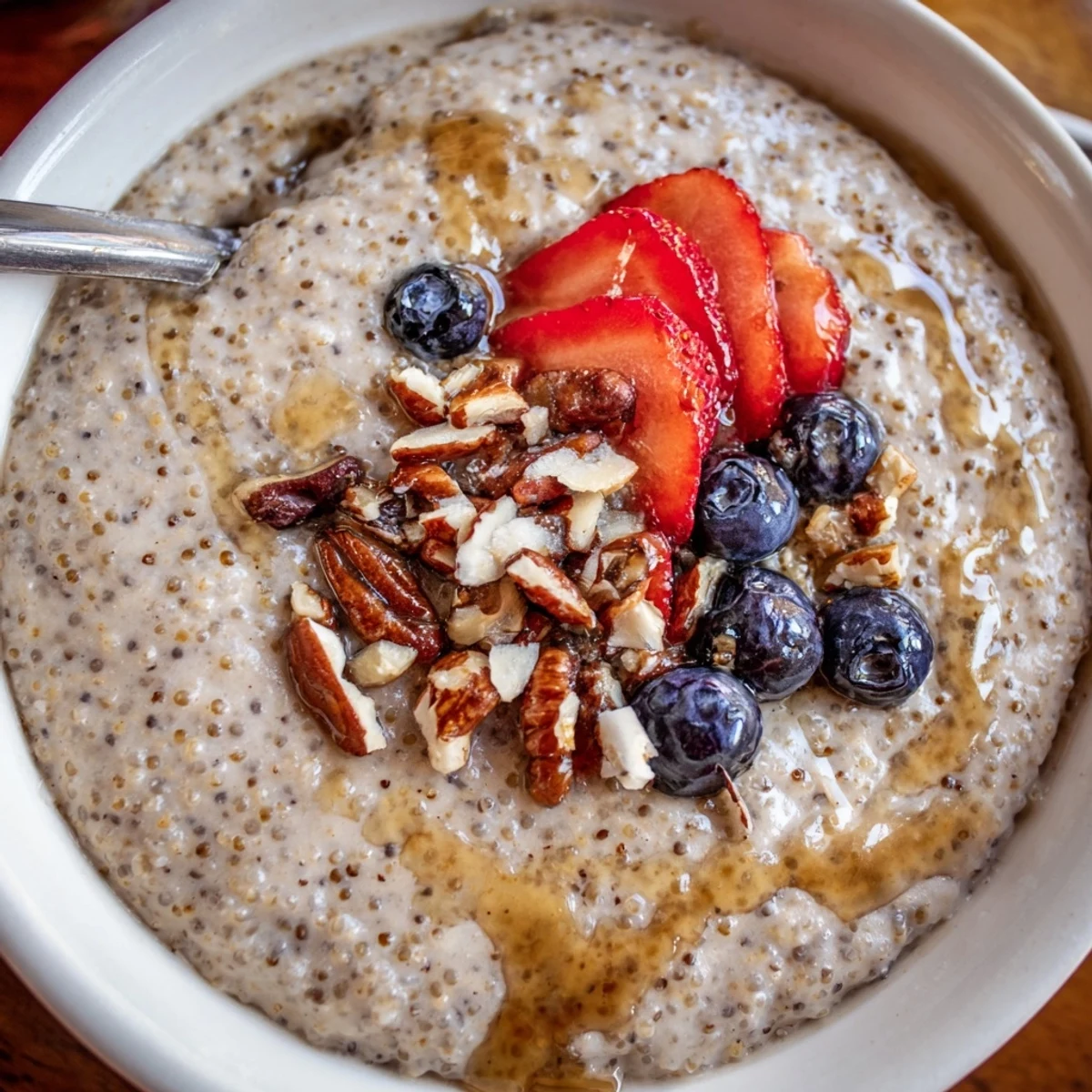 Save
Save This is the kind of breakfast that asks nothing of you but patience, and rewards you with a warm bowl that feels like someone pressed pause on the whole morning. Share it with someone you love, or keep it all to yourself, because either way it is time well spent.
Recipe Questions & Answers
- → How long should I cook whole-grain sorghum?
-
Simmer the sorghum 40–45 minutes until the grains are tender and most of the water is absorbed. Taste a few grains for chewiness; cooking time can vary slightly by brand. Soaking overnight can shorten the simmer time.
- → How do I get a creamy, porridge-like texture?
-
Stir in warm almond milk and cook uncovered over low heat for 3–5 minutes, stirring frequently to release starches. Finish with extra milk off the heat if you prefer a looser, creamier consistency.
- → What milk and sweetener alternatives work best?
-
Almond, oat or soy milk provide creaminess and keep the dish dairy-free. Sweeten with pure maple syrup, honey or mashed ripe banana; add sweetener gradually and taste as you go.
- → Can I swap sorghum for another grain?
-
Yes—millet or quinoa are good substitutes. Quinoa cooks faster and may need less liquid; adjust cooking times and liquids accordingly to achieve a similar creamy finish.
- → How should I store and reheat leftovers?
-
Cool completely and refrigerate in an airtight container up to 4 days. Reheat gently on the stove with a splash of milk, stirring until warmed and creamy; add more milk to adjust texture.
- → Any tips for toppings and texture contrast?
-
Toast nuts and coconut flakes for crunch, use fresh or thawed berries for brightness, and sprinkle hemp seeds or a dollop of yogurt for extra protein and creaminess.