
 Save
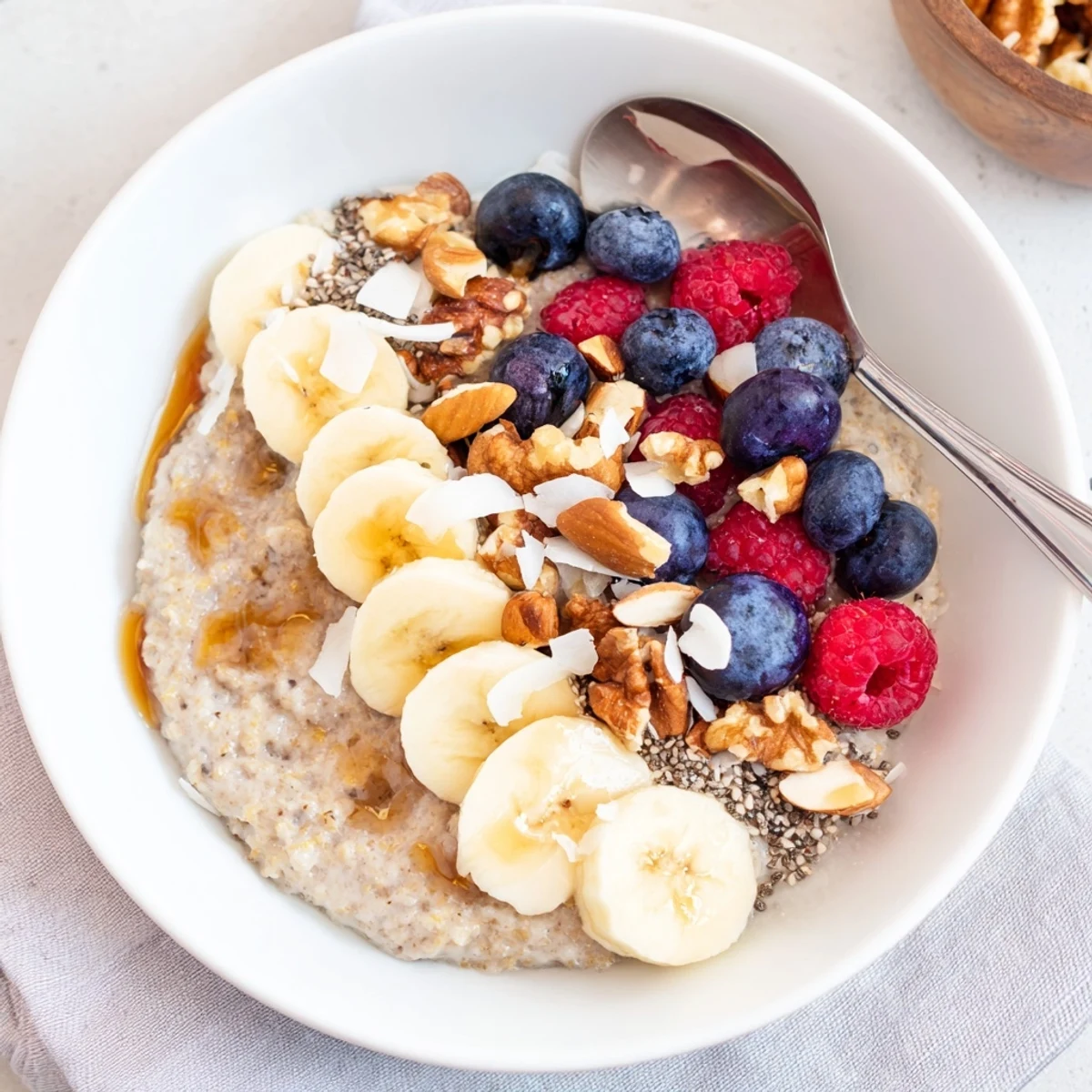
Save This vanilla cardamom buckwheat porridge bowl is a warm, comforting way to start your morning. Nutty buckwheat groats are simmered in almond milk with fragrant ground cardamom and pure vanilla extract until perfectly creamy and tender.
Each bowl is finished with sliced banana, fresh berries, toasted nuts, chia seeds, and a drizzle of maple syrup. It's naturally gluten-free, vegetarian, and ready in just 30 minutes with minimal hands-on time.
Customize your toppings based on what's in season or what you have on hand — stewed apples, poached pears, or cacao nibs all work beautifully.
The smell of cardamom toasting in a morning kitchen is enough to make anyone a believer in slow breakfasts. I started making buckwheat porridge during a phase where oatmeal had simply worn out its welcome, and this nutty, fragrant bowl became my new weekday ritual. Something about the way vanilla softens the earthy edge of buckwheat makes every spoonful feel like a small indulgence rather than a health obligation. It takes a little longer than pouring cereal, but those twenty minutes at the stove with a coffee in hand are honestly the calmest part of my day.
One rainy Saturday my neighbor knocked on my door to return a borrowed ladder and ended up staying for breakfast because the aroma had drifted into the hallway. We sat at the kitchen counter with steaming bowls, swapping stories about our grandmothers cooking styles while the rain hammered the window. She now texts me every few weeks asking for the cardamom measurement because she can never remember if it is half a teaspoon or a full one.
Ingredients
- 1 cup buckwheat groats, rinsed: Rinsing is non negotiable here because raw buckwheat has a dusty coating that tastes oddly bitter if you skip this step.
- 2 cups unsweetened almond milk: Unsweetened lets you control the sweetness yourself, and almond milk gives a gentle nuttiness that pairs naturally with the groats.
- 1/2 cup water: This extra liquid helps the groats soften without making the porridge too rich or cloying.
- 1/2 tsp ground cardamom: A little goes a long way with cardamom, and half a teaspoon adds warmth without overpowering the vanilla.
- 1 1/2 tsp pure vanilla extract: Pure extract matters because imitation vanilla clashes with cardamom and leaves a chemical aftertaste.
- 2 tbsp maple syrup or honey: Maple syrup is my preference for its caramel depth, but honey works beautifully if that is what you have on hand.
- Pinch of sea salt: Salt is the quiet hero that makes sweetness taste sweeter and rounds out the earthy buckwheat flavor.
- 1 banana, sliced: Bananas add creaminess and natural sweetness that melt slightly into the warm porridge.
- 1/2 cup fresh berries: Blueberries or raspberries bring a bright tart contrast that cuts through the richness.
- 2 tbsp chopped toasted nuts: Toasted almonds or pecans give a satisfying crunch that transforms each bite texturally.
- 1 tbsp chia seeds: These add a slight thickening effect as they sit plus a nice nutritional boost.
- 1 tbsp unsweetened shredded coconut: Entirely optional but it adds a chewy sweetness that ties the whole tropical vibe together.
Instructions
- Combine everything in the pot:
- Drop the rinsed buckwheat groats into a medium saucepan and pour in the almond milk, water, cardamom, vanilla, maple syrup, and that small pinch of salt. Give it a gentle stir so nothing settles at the bottom.
- Simmer until creamy:
- Bring the mixture to a boil over medium heat, then dial it back to low and let it simmer uncovered for 15 to 20 minutes, stirring every few minutes. You will know it is ready when the groats are tender but still have a slight chew and the liquid has thickened into something creamy.
- Rest and thicken:
- Take the pot off the heat and let it sit undisturbed for about 2 minutes while it finishes absorbing the last bit of liquid and firms up slightly.
- Divide and top:
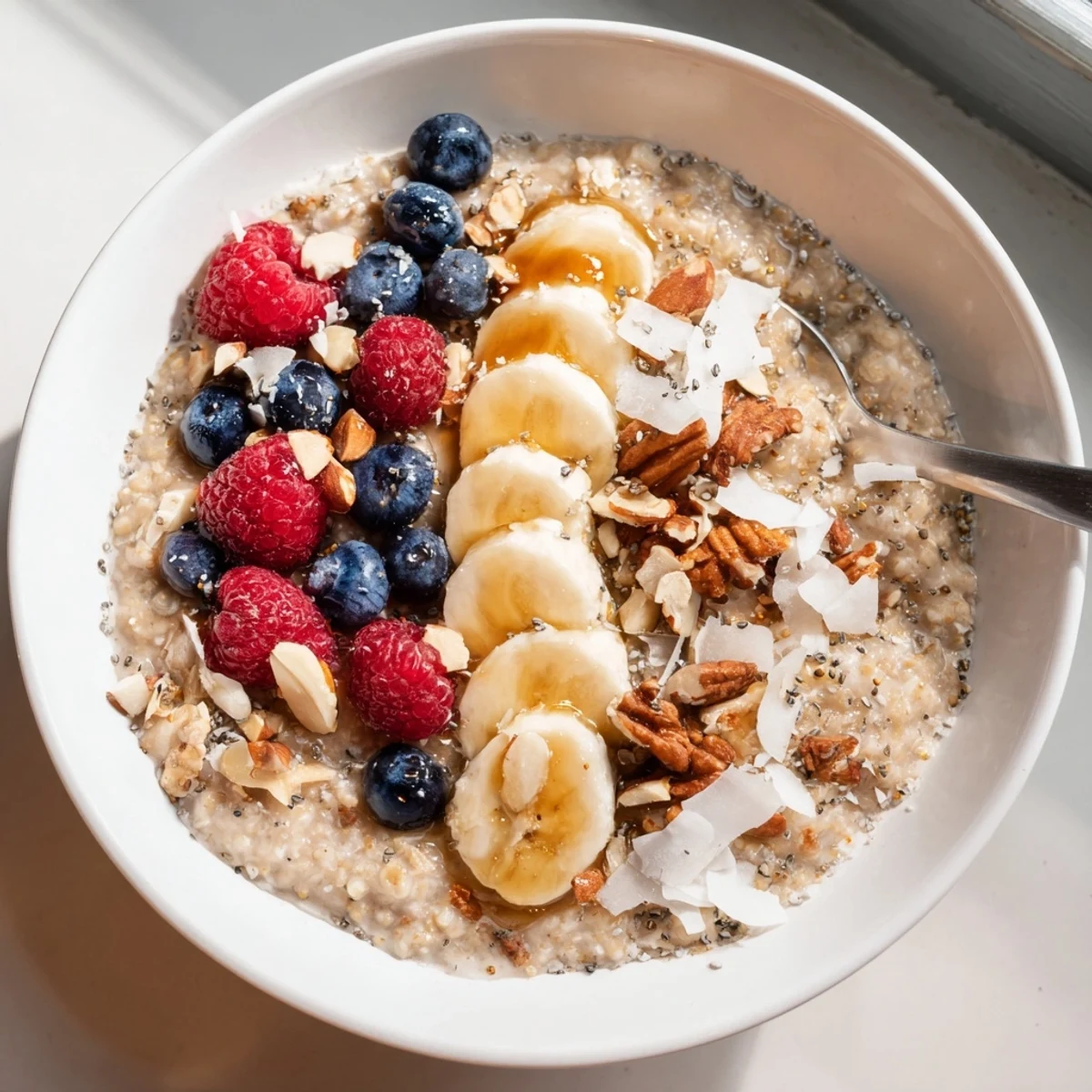
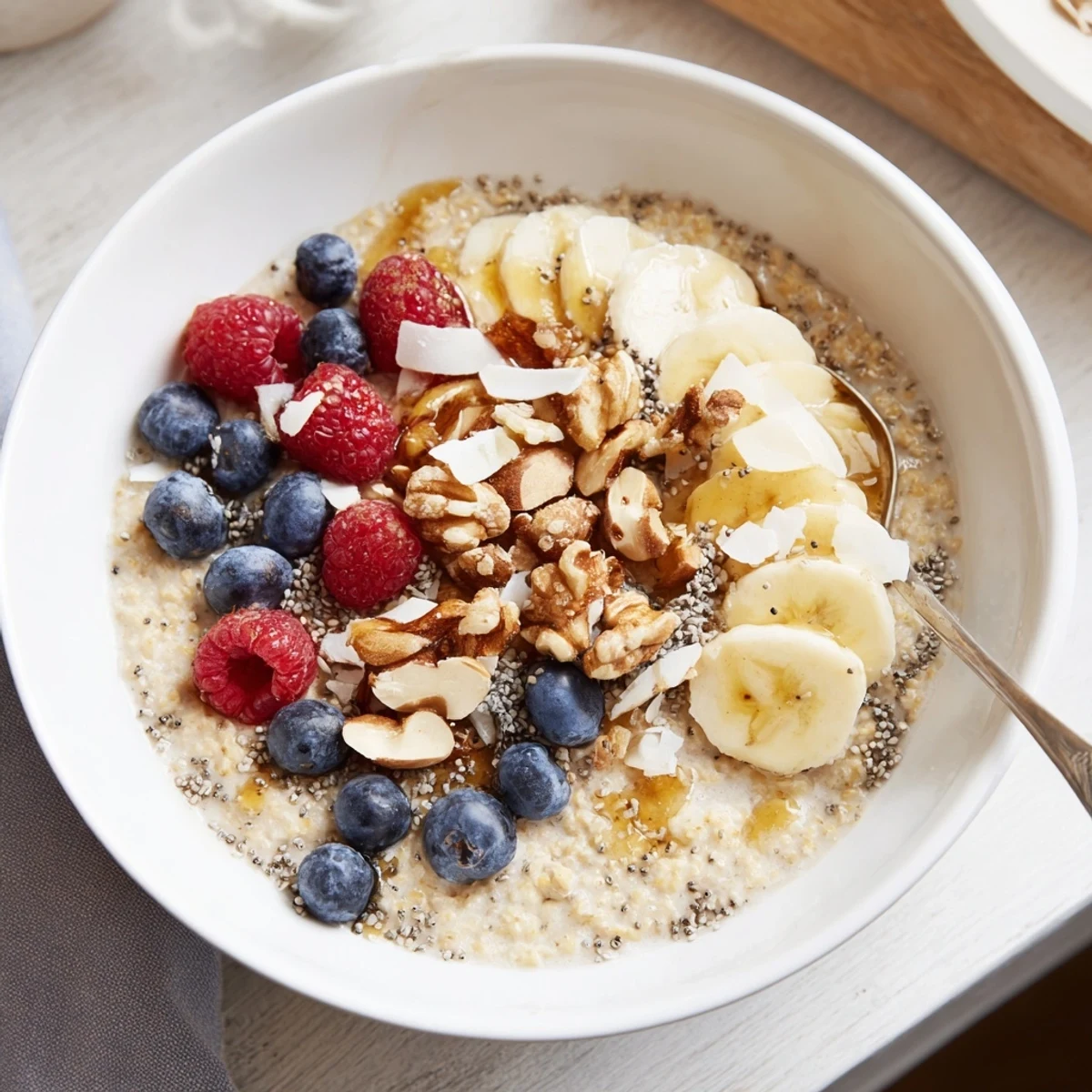
- Spoon the porridge into two bowls and arrange your banana slices, berries, toasted nuts, chia seeds, and coconut over the top in whatever pattern makes you happy. Drizzle with a little extra maple syrup if you want more sweetness.
 Save
Save There was a morning last winter when the power went out and I cooked this porridge on a camp stove balanced on the kitchen counter, flashlight balanced under my chin. It tasted even better than usual, probably because everything does when you have to work a little harder for it.
Making It Your Own
This porridge is really a template more than a strict recipe. I have stirred in cocoa powder on moody mornings, topped it with stewed apples in autumn, and once added a spoonful of tahini just to see what would happen. The buckwheat base is sturdy enough to handle almost any flavor direction you want to take it, so trust your instincts and your pantry.
Storing and Reheating
Cooked buckwheat porridge keeps surprisingly well in the fridge for up to three days, which means you can make a double batch on Sunday and have breakfast ready for half the week. Reheat it gently on the stove with a splash of milk, stirring until it loosens back to a creamy consistency. The toppings are best added fresh rather than stored on top, so keep those separate.
Tools and Timing
You really only need a medium saucepan, a stirring spoon, and basic measuring tools to pull this off successfully. Ten minutes of prep and twenty minutes at the stove is a small investment for something this satisfying.
- Set out your toppings while the porridge cooks so everything is ready at once.
- Keep a spare splash of milk next to the stove for adjusting consistency at the end.
- Remember that the porridge thickens as it cools, so serve it slightly looser than you think it should be.
 Save
Save Some mornings you just need a bowl of something warm and fragrant to remind you that the day has not started yet and there is still time to make it good. This porridge does that quietly and reliably, one cardamom scented spoonful at a time.
Recipe Questions & Answers
- → Do I need to soak buckwheat groats before cooking?
-
No, soaking isn't required for this porridge. Simply rinse the groats under cold water and they're ready to cook. However, if you prefer a softer texture or want to reduce cooking time, you can soak them overnight in the fridge.
- → Can I use buckwheat flakes instead of groats?
-
Yes, buckwheat flakes will cook much faster — usually in about 5 minutes. The texture will be smoother and less chewy compared to whole groats, so reduce the liquid slightly and keep a close eye on it while simmering.
- → What can I substitute for almond milk?
-
Any milk works well here — oat milk adds natural sweetness, soy milk boosts protein, and regular dairy milk creates an extra creamy result. Coconut milk will add a subtle tropical flavor that pairs nicely with the cardamom.
- → How do I store and reheat leftover porridge?
-
Store cooled porridge in an airtight container in the refrigerator for up to 3 days. To reheat, add a splash of milk and warm it gently on the stovetop or in the microwave, stirring occasionally until heated through.
- → Is buckwheat actually gluten-free?
-
Yes, buckwheat is a seed, not a grain, and is naturally gluten-free. However, cross-contamination can occur during processing, so always look for certified gluten-free buckwheat groats if you have celiac disease or a gluten sensitivity.
- → What toppings go well with this porridge?
-
Beyond the suggested banana, berries, and nuts, try stewed apples with cinnamon, poached pears, cacao nibs, a dollop of Greek yogurt, nut butter, pomegranate seeds, or roasted coconut flakes for different flavor combinations.