
 Save
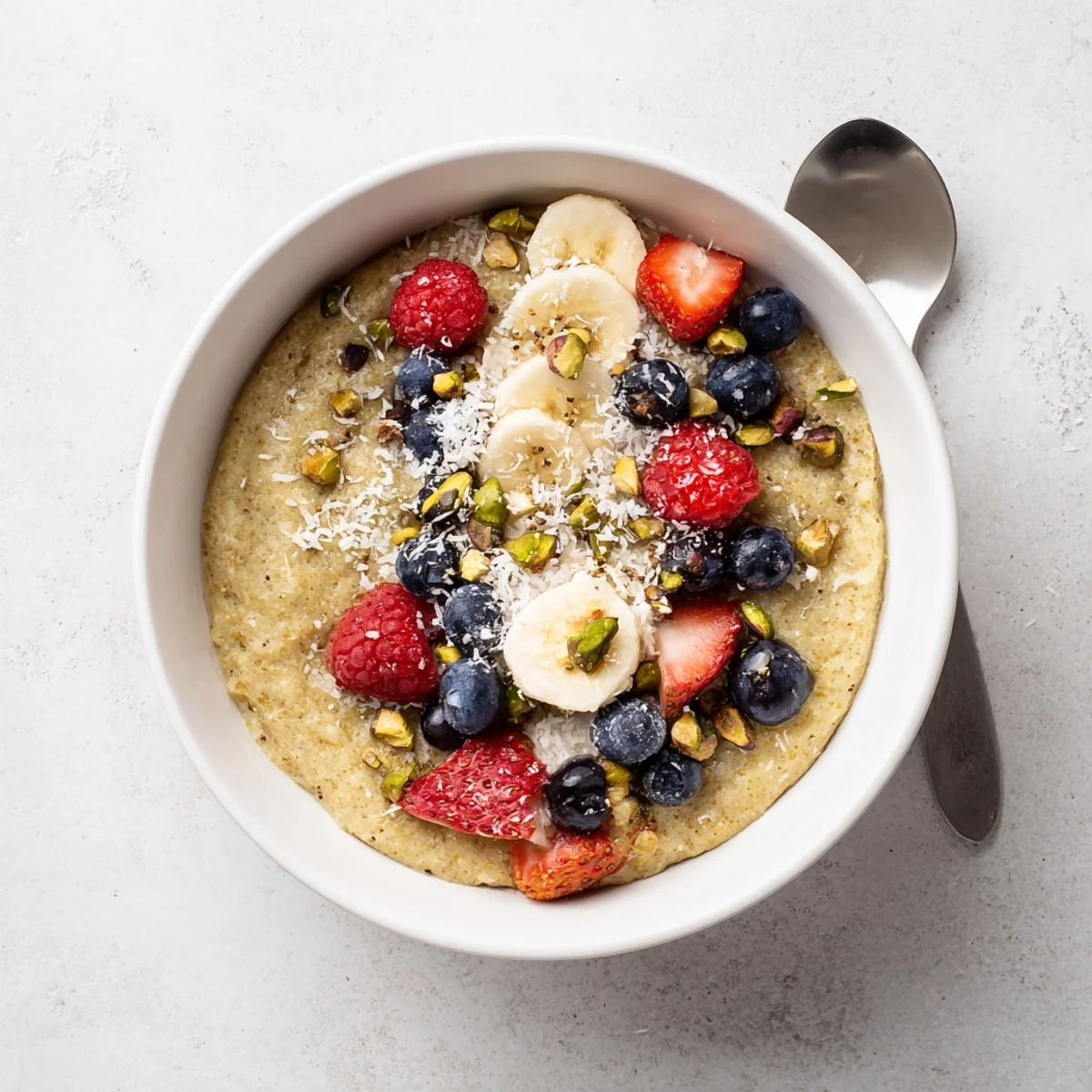
Save This vanilla cardamom amaranth porridge brings together the earthy, nutty flavor of amaranth grains with warm cardamom spice and smooth vanilla. Simmered in almond milk until luxuriously creamy, it's finished with a drizzle of maple syrup and topped with vibrant fresh berries, sliced banana, and crunchy toasted nuts.
Amaranth is an ancient grain packed with protein, fiber, and essential minerals, making this bowl as nourishing as it is comforting. Ready in just 35 minutes, it's an easy gluten-free and vegetarian option that feels indulgent yet wholesome.
The smell of cardamom toasting in a morning kitchen is enough to make anyone slow down and breathe deeper, which is exactly what I needed on a rainy Tuesday when everything felt rushed and sideways. I had bought a bag of amaranth months earlier, seduced by its ancient grain status at the health food store, and it had been staring at me from the pantry ever since. That morning I finally tore it open, rinsed the tiny seeds three times, and let them bubble away into something that surprised me completely.
My roommate walked in halfway through cooking and asked if I was making dessert for breakfast, which felt like the highest compliment possible at seven in the morning. We stood around the stove spooning it directly from the pot, burning our tongues, too impatient to wait for bowls or toppings.
Ingredients
- Amaranth (1/2 cup, rinsed): These tiny seeds pack more protein and iron than most grains and rinse clean of their natural bitterness when you swirl them under cold water a few times.
- Water (1 1/2 cups): Start with water alone to let the amaranth soften before adding richness.
- Unsweetened almond milk (1 cup): This is what transforms plain amaranth into something luxuriously creamy, though oat milk or full fat coconut milk work beautifully too.
- Ground cardamom (1/2 teaspoon): A little goes a long way and adds warm, floral notes that make this feel special rather than ordinary.
- Pure vanilla extract (1/2 teaspoon): Round out the spice with familiar sweetness and always use the real stuff, never imitation.
- Salt (1/8 teaspoon): Just enough to wake up every other flavor in the bowl.
- Maple syrup or honey (1 to 2 tablespoons): Add gradually and taste as you go because the right sweetness level is deeply personal.
- Mixed fresh berries (1/2 cup): Blueberries and raspberries burst beautifully against the warm porridge but use whatever looks best at the market.
- Banana (1 small, sliced): Adds bulk and natural sweetness that complements the cardamom perfectly.
- Toasted almonds or pistachios (2 tablespoons, chopped): The crunch factor matters here because creamy porridge needs something to push back against.
- Unsweetened shredded coconut (1 tablespoon, optional): A scatter of texture and subtle tropical warmth if you are feeling generous.
Instructions
- Get the grains going:
- Combine the rinsed amaranth and water in a medium saucepan and bring it to a boil over medium high heat, watching carefully because those tiny seeds love to foam up and overflow when you turn your back.
- Low and slow:
- Drop the heat to low, clap on the lid, and let it simmer gently for 15 minutes, stirring every few minutes so nothing sticks to the bottom and burns.
- Build the flavor:
- Pour in the almond milk, cardamom, vanilla, and salt, then simmer uncovered for another 8 to 10 minutes, stirring frequently until the whole thing turns glossy and thick and the grains are tender with just a slight pop between your teeth.
- Sweeten to taste:
- Take the pot off the heat and stir in maple syrup or honey a little at a time, tasting as you go until it sings exactly the way you want it to.
- Assemble the bowls:
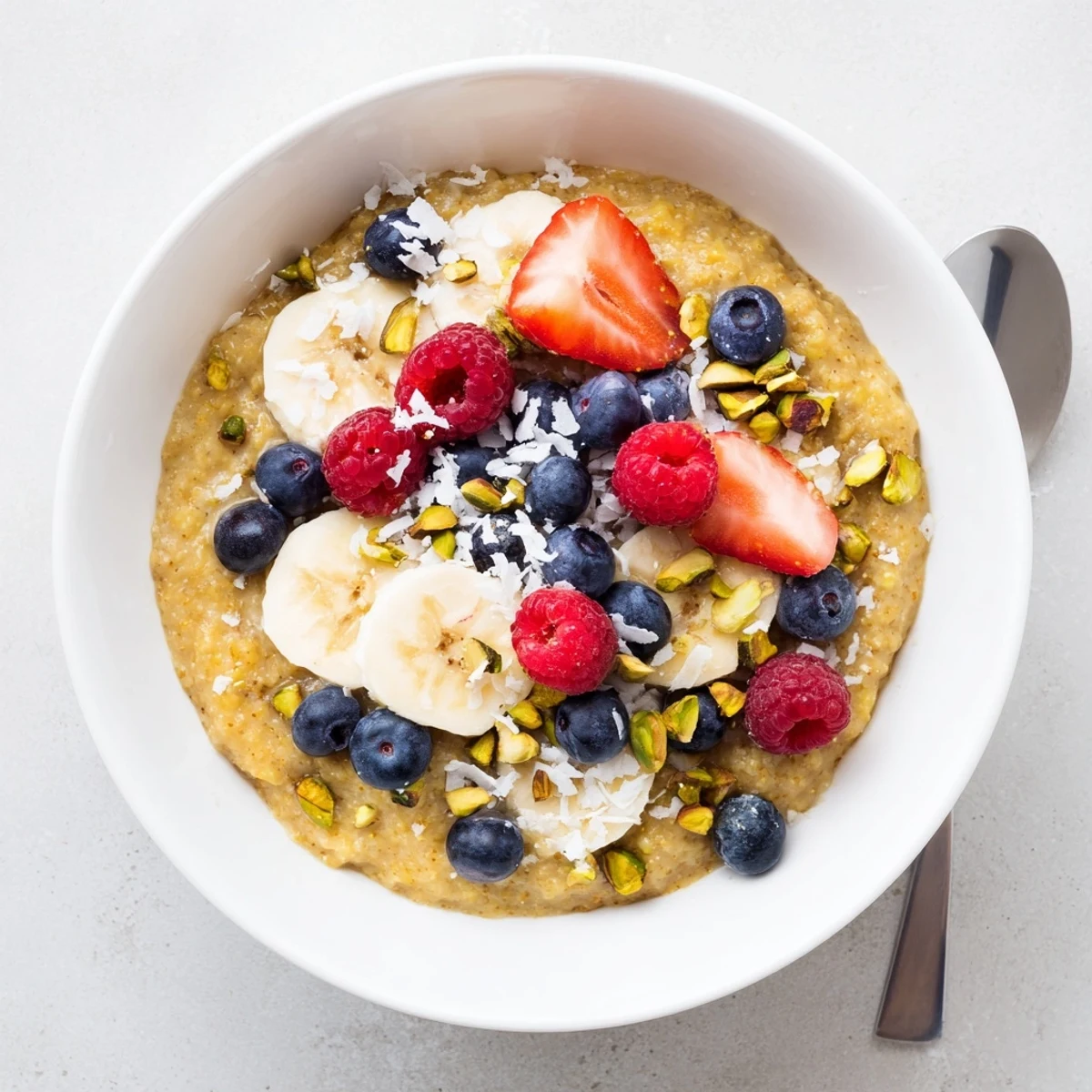
- Divide the porridge between two bowls and scatter the berries, banana slices, toasted nuts, and coconut over the top in whatever arrangement makes you happy.
 Save
Save On a cold morning last February I brought a jar of this porridge on a train ride to visit my mother and she ate it cold from the container and told me it reminded her of semolina pudding from her own childhood.
What to Know About Amaranth
Amaranth is technically a seed, not a grain, and it has been cultivated for thousands of years across Central and South America where it was considered sacred. Unlike many plant proteins it contains all nine essential amino acids, making it a rare complete protein source that also happens to cook into something absolutely delicious. The texture takes getting used to if you are expecting oatmeal because amaranth stays slightly gelatinous with a gentle pop, but that is precisely what makes it so satisfying.
Making It Your Own
This recipe is endlessly adaptable once you understand the basic ratio of half a cup of amaranth to roughly two and a half cups of total liquid. Swap the cardamom for cinnamon and nutmeg in autumn, or use grated ginger and a pinch of turmeric when you feel a cold coming on. The toppings are where you can really play because almost any fruit, nut, or seed belongs here, and a spoonful of nut butter stirred in at the end turns it into something practically decadent.
Timing and Tools
You need nothing more than a medium saucepan, a stirring spoon, measuring cups, and a knife for slicing fruit, which means cleanup is mercifully fast. The whole process takes about 35 minutes from pantry to bowl, though most of that is hands off simmering time while you make coffee or scroll through your morning. Here are a few things that help the process run smoothly.
- Measure all your ingredients before you start cooking so you are not scrambling with one hand while stirring with the other.
- Toast your nuts in a dry pan while the porridge simmers to add another layer of flavor without extra time.
- Leftovers thicken considerably in the fridge and reheat beautifully with a splash of milk.
 Save
Save Some mornings you just need something warm and fragrant waiting for you, and this porridge delivers that comfort without any fuss. Keep a bag of amaranth in your pantry and rainy days will never catch you unprepared again.
Recipe Questions & Answers
- → What does amaranth taste like?
-
Amaranth has a naturally nutty, slightly earthy flavor with a hint of sweetness. When cooked into porridge, it develops a creamy, polenta-like consistency that pairs beautifully with warm spices like cardamom and vanilla.
- → Can I make this porridge ahead of time?
-
Yes, you can cook the amaranth base in advance and refrigerate it for up to 3 days. Reheat gently on the stovetop with a splash of almond milk, stirring until creamy again. Add fresh toppings just before serving.
- → Is amaranth gluten-free?
-
Amaranth is naturally gluten-free, making it an excellent choice for those avoiding gluten. It's also a complete protein, containing all nine essential amino acids, which is rare among plant-based grains.
- → What can I substitute for almond milk?
-
Any milk works well here—oat milk, coconut milk, regular dairy milk, or even hemp milk. For extra richness, try full-fat coconut milk. Each will slightly alter the flavor profile while maintaining the creamy texture.
- → How do I prevent amaranth from becoming too thick?
-
Amaranth absorbs a lot of liquid as it sits. If it thickens too much, simply stir in additional warm milk or water until you reach your desired consistency. Adding liquid gradually while stirring prevents lumps from forming.
- → Can I use cardamom pods instead of ground cardamom?
-
Yes, crush about 4-5 green cardamom pods and add them to the water while simmering the amaranth. Remove the pods before adding milk and other flavorings. This gives a more subtle, layered cardamom flavor throughout the porridge.