
 Save
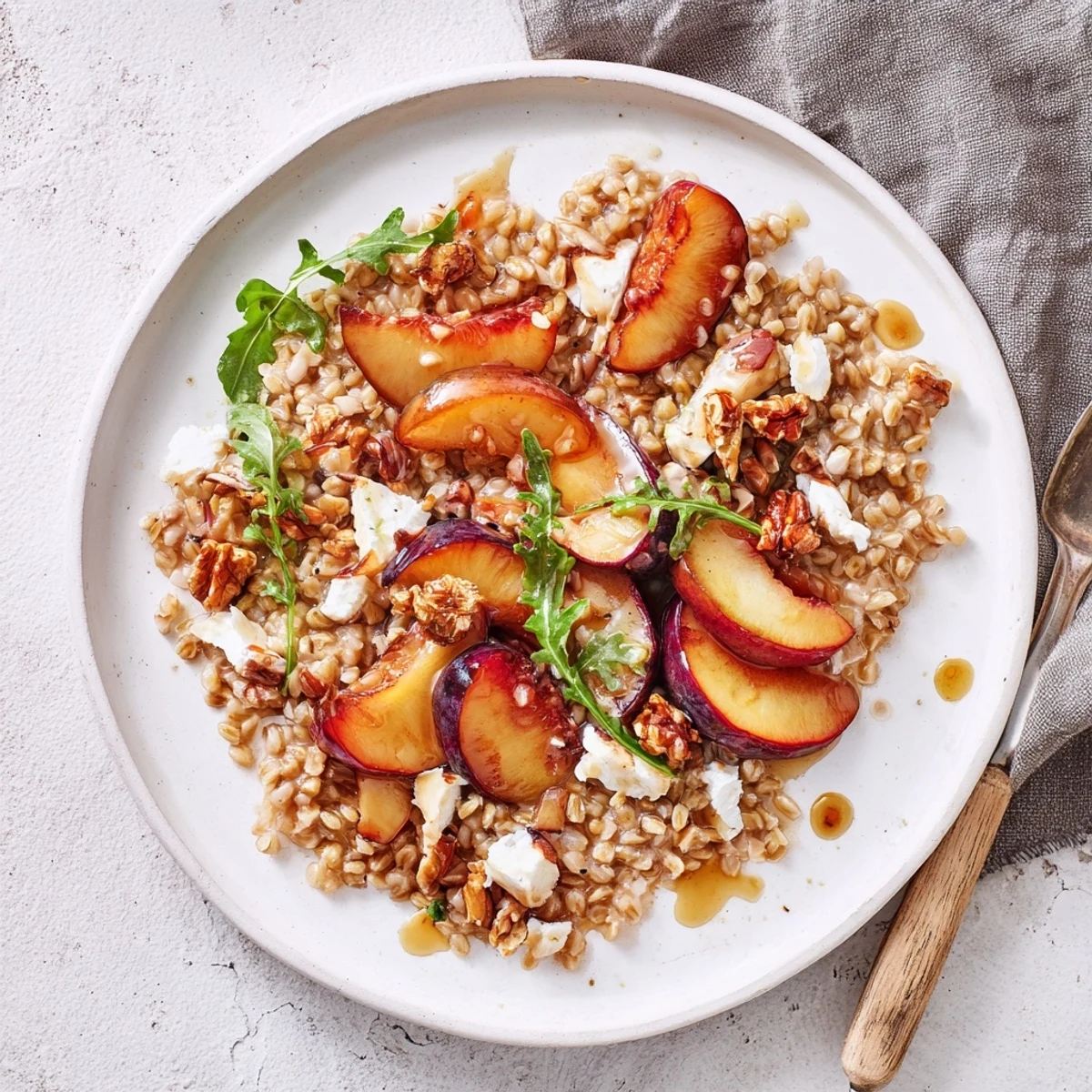
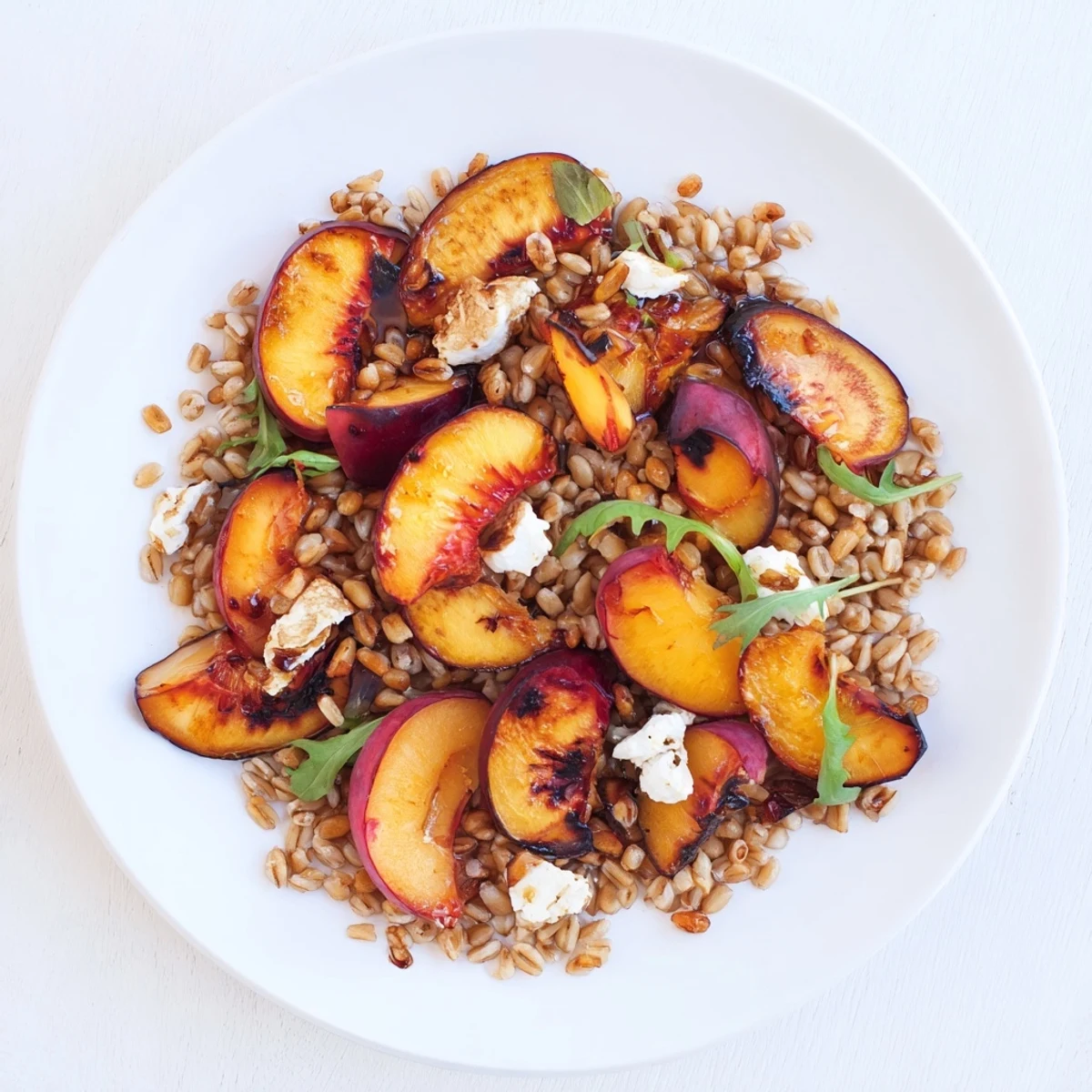
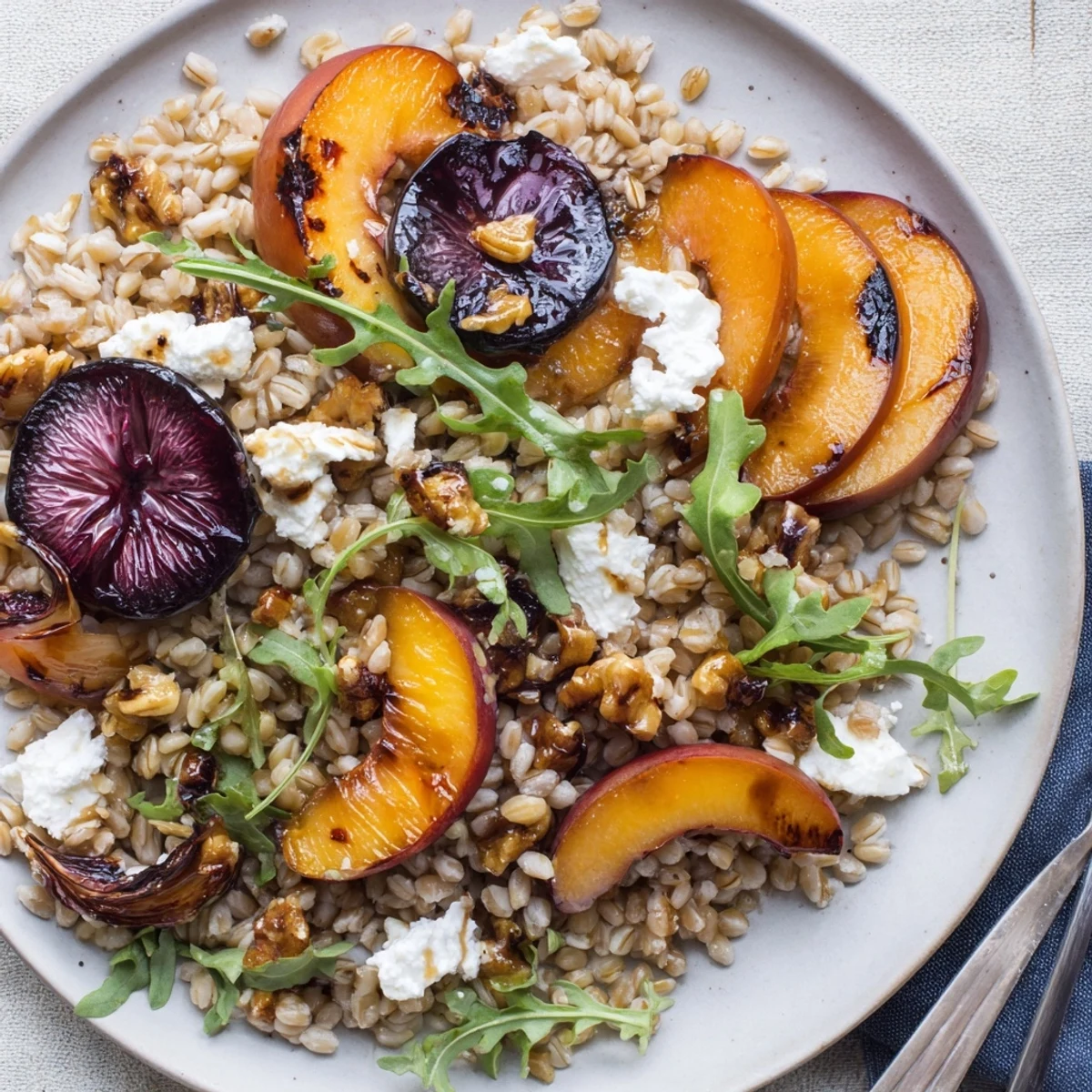
Save Roasted plum halves develop caramelized sweetness while farro cooks until tender and chewy. Whisk a balsamic-Dijon vinaigrette, then toss the warm grain with arugula, sliced red onion, toasted walnuts and parsley. Top with plum wedges and crumbled feta. Serve immediately or chill briefly to let flavors meld—great as a light lunch or elegant side.
The Saturday farmers market had a plum vendor who handed me a slice of a dark purple Santa Rosa and everything went quiet for a second, that is how good it was. I bought a whole bag without a plan, which is how most of my best recipes start. By evening those plums were roasting in the oven with thyme from the windowsill, and the smell that filled the kitchen was warm, jammy, and completely irresistible. This farro salad was born from that happy accident, and it has been on repeat ever since.
I brought a massive bowl of this to a potluck last autumn and watched three people ask for the recipe before they even finished their first helping. My friend Elena stood by the table eating it straight from the serving spoon, claiming she was just making sure there was enough for everyone else. That kind of response is really all the feedback you need.
Ingredients
- Farro (1 cup): The nutty, chewy backbone of the whole dish, and you want the semi pearled kind so it cooks in about 25 minutes instead of an hour.
- Water (3 cups) and salt (1/2 teaspoon): For cooking the farro, and salt the water generously like you would for pasta because the grains absorb flavor as they soften.
- Ripe plums (4, halved and pitted): You want them fragrant and slightly soft to the touch but not mushy, because firmer plums hold their shape better during roasting.
- Olive oil (1 tablespoon) and honey (1 tablespoon, for plums): The oil helps caramelize the edges while the honey draws out their natural sweetness and creates gorgeous golden edges.
- Fresh thyme leaves (1 teaspoon, for plums): Savory herb notes that make the plums taste less like dessert and more like something meant for a dinner plate.
- Salt and pepper (pinch each, for plums): Just enough to balance the sweetness and wake up the flavors.
- Red onion (1/2 small, thinly sliced): Adds a sharp crunch that cuts through the richness, and soaking the slices in cold water for five minutes tames the bite if you find raw onion too aggressive.
- Toasted walnuts (1/4 cup, roughly chopped): Toasting is nonnegotiable here because raw walnuts taste flat and bitter compared to the warm, earthy depth they get from a few minutes in a dry pan.
- Crumbled feta cheese (1/4 cup): Salty creaminess that ties everything together, and a little goes a long way so do not be tempted to double it.
- Arugula or baby spinach (2 cups): A peppery or mild green base that adds freshness and color, and arugula is my preference for its slight bitterness.
- Chopped fresh parsley (2 tablespoons): Brightens the whole bowl with a clean, grassy finish.
- Extra virgin olive oil (3 tablespoons, for dressing): Use the good stuff here since it is the main flavor in the vinaigrette.
- Balsamic vinegar (1 tablespoon): Syrupy acidity that pairs beautifully with the roasted fruit.
- Dijon mustard (1 teaspoon): Acts as the emulsifier that keeps the dressing from separating and adds a subtle heat.
- Honey (1/2 teaspoon, for dressing): Rounds out the acidity and helps the vinaigrette cling to every grain of farro.
- Fresh thyme leaves (1/2 teaspoon, for dressing): Echoes the thyme on the plums and makes the whole dish feel cohesive.
- Salt and pepper to taste (for dressing): Season gradually, taste as you go, and remember the feta adds salt too.
Instructions
- Get the oven hot:
- Preheat to 400 degrees Fahrenheit and line a baking sheet with parchment paper so the plum juices caramelize on the fruit instead of welding themselves to your pan.
- Prep and roast the plums:
- Place the halved plums cut side up on the sheet, drizzle with olive oil and honey, and sprinkle with thyme, salt, and pepper. Roast for 15 to 18 minutes until the edges are golden and the flesh yields gently when pressed, then set aside to cool.
- Cook the farro:
- Rinse the farro under cold water, then combine it with three cups of water and half a teaspoon of salt in a medium saucepan. Bring it to a boil, reduce to a simmer, and cook uncovered for 25 to 30 minutes until the grains are tender but still have a pleasant chew, then drain any remaining water and let it cool slightly.
- Whisk the dressing:
- In a small bowl, whisk together the olive oil, balsamic vinegar, Dijon mustard, honey, thyme, salt, and pepper until the mixture looks creamy and unified rather than separated and oily.
- Bring it all together:
- In a large bowl, combine the warm farro, red onion, toasted walnuts, arugula, and parsley, then pour the dressing over everything and toss gently so the greens do not get bruised.
- Finish and serve:
- Slice the cooled roasted plums into wedges and arrange them on top of the salad, then scatter the feta over the plums and serve immediately or chill for up to two hours for deeper flavor.
 Save
Save The first time I served this to my neighbor David, he asked if I had picked up a secret bottle of plum balsamic glaze from a specialty shop somewhere. When I told him it was just roasted fruit and a simple vinaigrette, he laughed and called me a kitchen magician, which is the nicest compliment a home cook can receive.
What to Serve Alongside
This salad holds its own as a light vegetarian lunch, but it truly shines next to grilled chicken thighs with lemon and garlic. I have also served it alongside a simple piece of seared salmon on warm evenings when cooking felt like too much effort, and the sweet and savory combination made everything on the plate taste intentional.
Making It Your Own
Farro is wonderful but not the only option, and I have used pearl barley, quinoa, and even brown rice when cooking for friends with gluten sensitivities. Each grain brings a different texture: barley is softer and starchier, quinoa adds an earthy pop, and brown rice makes the whole thing feel a bit more rustic and forgiving.
Storing and Prepping Ahead
The components store beautifully separately for up to three days in airtight containers in the refrigerator, which means you can meal prep everything on Sunday and assemble fresh bowls all week long.
- Keep the dressing in a small jar and shake it right before pouring so it re emulsifies instantly.
- Store the roasted plums in their own container because their juices will make the greens soggy if mixed too early.
- Always add the arugula and feta at the very last minute for the best texture and presentation.
 Save
Save Some recipes feel like a chore and some feel like a gift you give yourself, and this one lands firmly in the second camp every single time. Make it once and you will find yourself buying extra plums on purpose, just in case.
Recipe Questions & Answers
- → How do I know when farro is done?
-
Cook farro until tender but still slightly chewy—typically 25–30 minutes simmering in salted water. Taste a few grains: they should be soft at the center but retain a bit of bite. Drain any excess water and let it cool slightly before tossing.
- → What's the best way to roast the plums?
-
Halve and pit ripe plums, place cut-side up on a parchment-lined sheet, drizzle with olive oil and honey, and sprinkle thyme, salt and pepper. Roast at 400°F (200°C) for about 15–18 minutes until tender and slightly caramelized.
- → Can I make substitutions for allergens?
-
For gluten-free, swap farro for quinoa or brown rice. Replace walnuts with toasted seeds or sunflower seeds for a nut-free version. Use goat cheese or a dairy-free crumble instead of feta to avoid dairy.
- → How should I store leftovers?
-
Store in an airtight container in the refrigerator for up to 2 days. Keep dressing mixed in—the salad can be served chilled or at room temperature. If the grains absorb too much dressing, refresh with a squeeze of lemon or a drizzle of olive oil before serving.
- → Any tips for balancing the dressing?
-
Whisk the balsamic, Dijon and honey first, then slowly stream in extra-virgin olive oil to emulsify. Taste for acid-sweet-salt balance—add a touch more honey if the plums are very tart, or a splash more vinegar for brightness.
- → What proteins pair well with this dish?
-
Grilled chicken, seared tofu or roasted chickpeas complement the grains and fruit without overpowering the flavors. Add warm slices on top for a heartier main or serve alongside as an elegant side.