
 Save
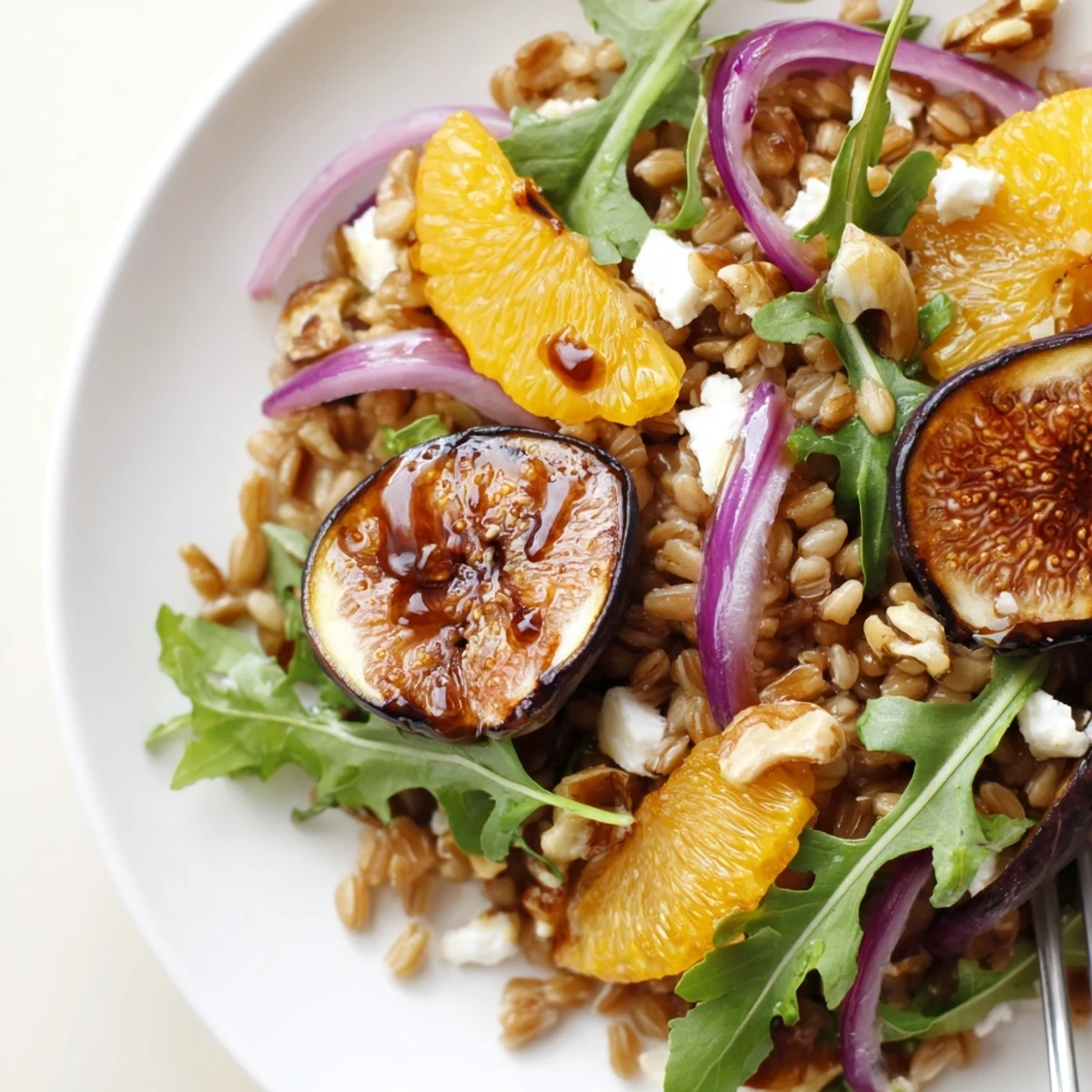
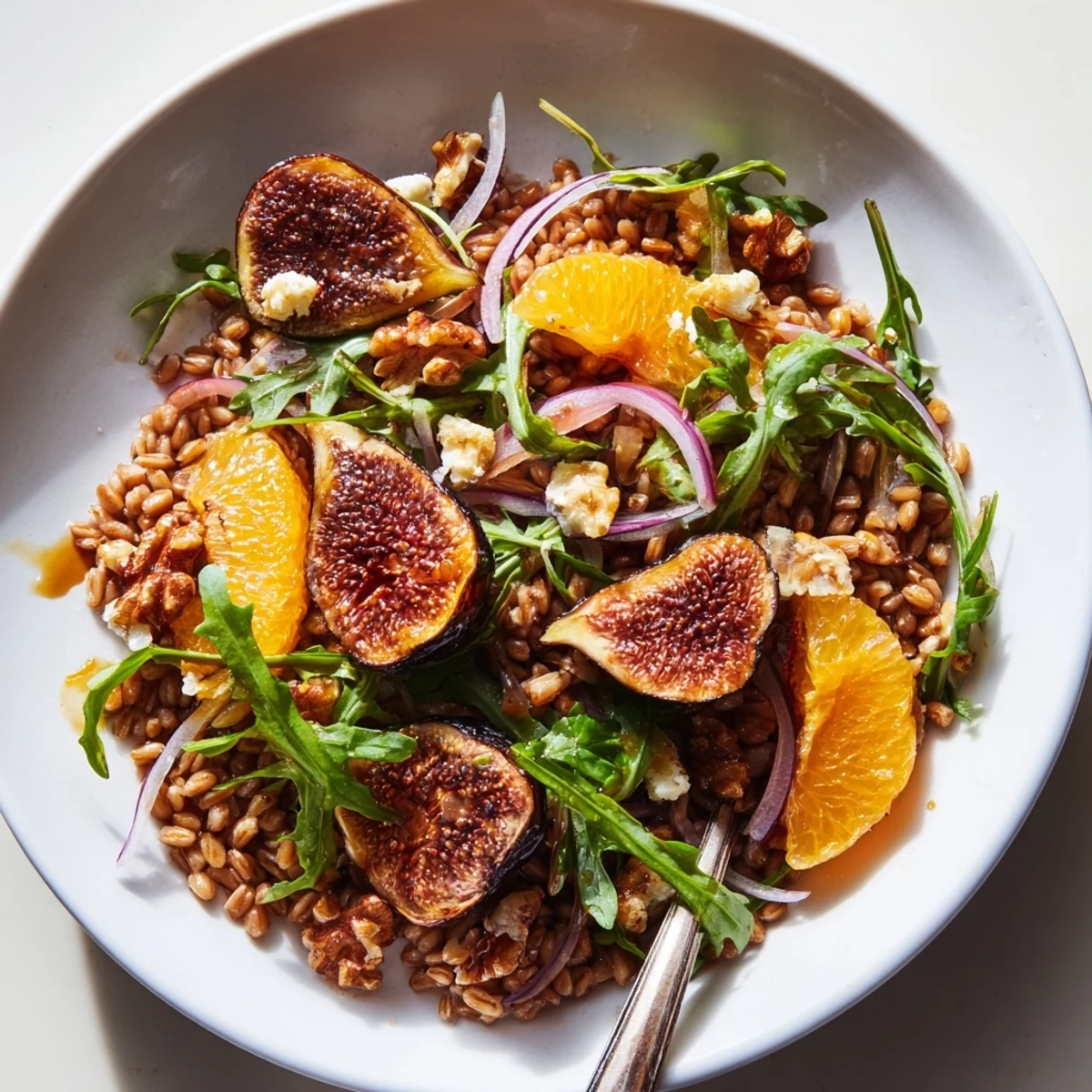
Save Start by roasting halved figs drizzled with honey until caramelized, while simmering farro until tender. Whisk orange juice, olive oil, balsamic and Dijon into a bright vinaigrette. Toss warm farro with arugula, orange segments, roasted figs, thinly sliced red onion and toasted walnuts; finish with crumbled feta. Serve warm or at room temperature; goat cheese or extra protein (chickpeas, grilled chicken) can be added for variation.
The farmers market had a basket of figs so ripe they looked ready to burst, and before I knew it I was walking home with a full pint and absolutely no plan.
I brought this to a potluck where three people asked for the recipe and one friend quietly ate two helpings before dinner officially started.
Ingredients
- Farro (1 cup, uncooked): This nutty grain is the backbone of the salad and holds its chewy texture far better than quinoa or rice ever could.
- Water (2 cups) and salt (1/2 teaspoon): Simple but essential for cooking the farro with enough seasoning from the start.
- Fresh figs (8, halved): Roasting concentrates their honeyed sweetness and gives them a caramelized edge that raw figs simply cannot match.
- Oranges (2 large, peeled and segmented): Their juicy bursts balance the earthy grains and bring brightness to every bite.
- Honey (1 tablespoon): A thin drizzle over the figs before roasting helps them blister and caramelize in the oven.
- Arugula or baby spinach (4 cups): The peppery bite of arugula cuts through the sweetness, but spinach works if you prefer something gentler.
- Red onion (1/4 small, thinly sliced): Soak the slices in ice water for ten minutes if you find raw onion too sharp.
- Walnuts (1/3 cup, toasted and chopped): Toasting is nonnegotiable because it unlocks a depth of flavor that raw walnuts never deliver.
- Feta cheese (1/4 cup, crumbled): The salty crumble on top ties everything together and contrasts the sweet roasted figs perfectly.
- Extra virgin olive oil (3 tablespoons): Use the good stuff here since it is the base of your dressing and its flavor really shines through.
- Fresh orange juice (2 tablespoons): Squeezed straight from the oranges you segment so nothing goes to waste.
- Balsamic vinegar (1 tablespoon): Adds a subtle tang that plays beautifully with the sweetness of the fruit.
- Dijon mustard (1 teaspoon): Acts as the emulsifier that keeps your dressing from separating.
- Sea salt (1/2 teaspoon) and black pepper (1/4 teaspoon): Seasoning that brings every flavor into focus without overpowering anything.
Instructions
- Preheat and prepare your pan:
- Set your oven to 400°F and line a baking sheet with parchment paper so the figs do not stick and cleanup is effortless.
- Roast the figs:
- Arrange the halved figs cut side up on the sheet, drizzle each one with a little honey, and roast for 15 to 18 minutes until the edges caramelize and your kitchen smells incredible.
- Cook the farro:
- While the figs work their magic, bring salted water to a boil, stir in the farro, drop the heat to low, cover, and simmer for 25 to 30 minutes until each grain is tender but still has a pleasant chew.
- Whisk the dressing:
- In a small bowl, combine the olive oil, orange juice, balsamic vinegar, Dijon mustard, salt, and pepper, whisking until the mixture looks creamy and cohesive.
- Assemble the salad:
- In a large bowl, pile in the cooled farro, arugula, orange segments, roasted figs, red onion, and walnuts, then pour the dressing over and toss gently so the figs stay intact.
- Finish and serve:
- Transfer everything to a wide serving platter, scatter the crumbled feta across the top, and serve immediately or at room temperature for the best flavor.
 Save
Save One autumn evening I ate a bowl of this on the back porch while the light turned golden, and it suddenly felt less like a side dish and more like the entire meal was celebrating the season with me.
When fig season is nowhere to be found
Dried figs work in a pinch if you rehydrate them in warm water for about fifteen minutes before roasting, though the texture will be slightly denser and less jammy.
Pairing it up for a real meal
A glass of crisp Sauvignon Blanc beside this salad and maybe some crusty bread on the plate is honestly all you need for a dinner that feels intentional without any fuss.
Making it your own
This recipe is endlessly flexible once you understand the rhythm of hearty grain, sweet fruit, bitter greens, and salty cheese.
- Swap feta for goat cheese if you want something creamier and tangier.
- Toss in a handful of chickpeas or sliced grilled chicken to make it a complete lunch.
- Always taste the dressing before pouring it on, because oranges vary wildly in sweetness and acidity.
 Save
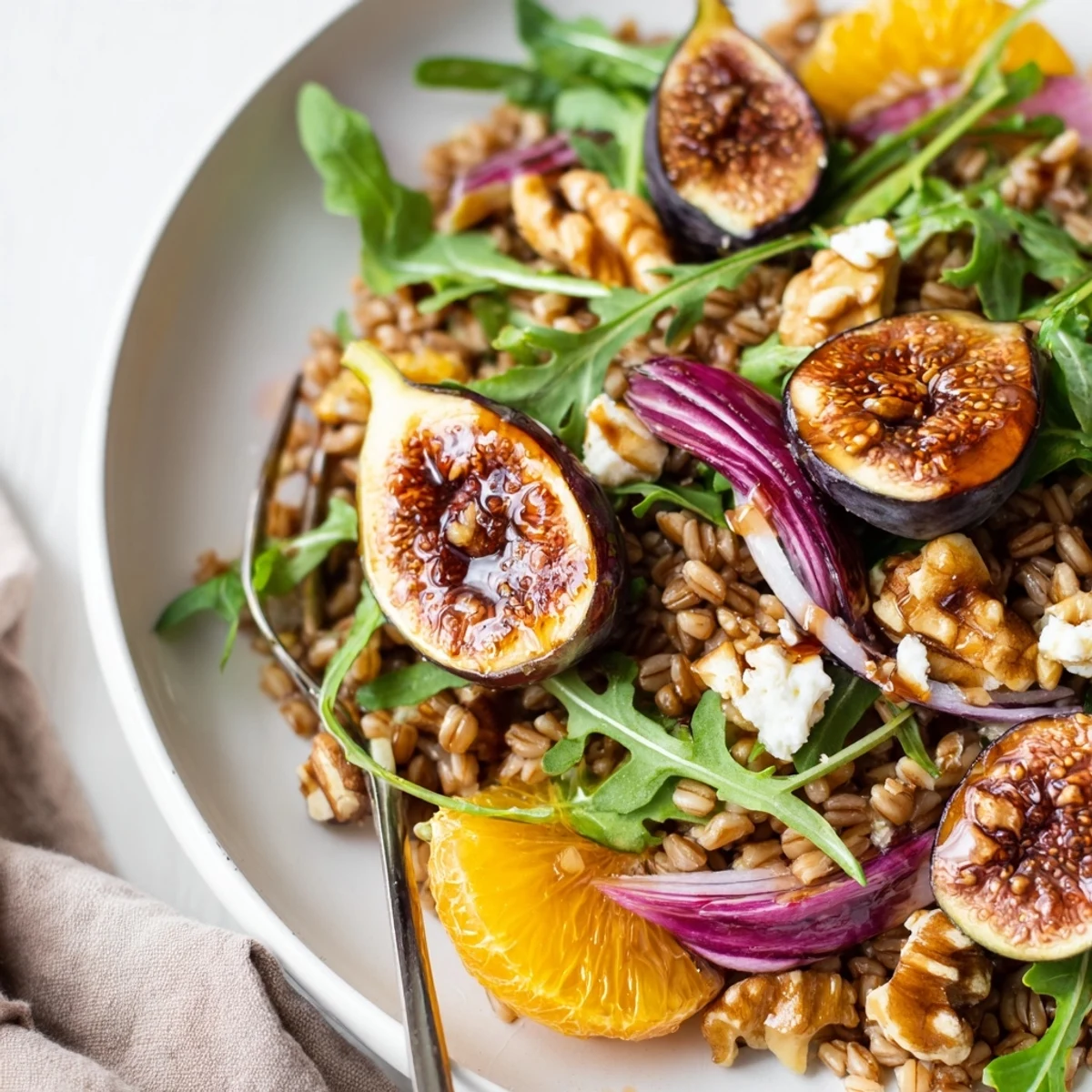
Save This is the kind of recipe that reminds you simple food, made with care, is always enough.
Recipe Questions & Answers
- → Can I shorten the farro cooking time?
-
Pearled farro cooks faster than whole farro; check the package and start tasting at 15–20 minutes. If using whole farro, allow 25–30 minutes and add more liquid if it absorbs too quickly.
- → How do I keep roasted figs from falling apart?
-
Roast figs cut side up on parchment and avoid overcooking—15–18 minutes at 400°F (200°C) gives caramelization while keeping structure. Handle gently when tossing with other ingredients.
- → What are good cheese alternatives?
-
Goat cheese offers a tangy, creamy swap for feta. For a dairy-free option, omit the cheese and increase toasted walnuts or add roasted chickpeas for a savory contrast.
- → How can I make this nut-free or vegan?
-
For nut-free, omit walnuts and substitute toasted pumpkin seeds for crunch. To make vegan, replace honey with maple syrup and omit or use a plant-based cheese alternative.
- → Is this suitable for make-ahead service?
-
You can roast figs and cook farro a day ahead; store separately. Assemble just before serving or toss grains with vinaigrette and add greens and figs shortly before plating to preserve texture.
- → What wines pair well with these flavors?
-
A crisp Sauvignon Blanc or a light rosé complements the citrus and figs, while a dry sparkling wine can balance the sweetness and bring freshness to the plate.