
 Save
Save This vibrant soup brings together the natural sweetness of roasted sweet potatoes with the savory depth of white miso paste. The result is a velvety, nourishing bowl that feels both comforting and sophisticated. The Japanese-inspired fusion approach creates layers of flavor—aromatic onions, celery, and carrots form the base, while fresh ginger and garlic add warmth. Turmeric contributes both earthy notes and that signature golden hue.
The method involves simmering vegetables until tender, then whisking miso into hot broth for that signature umami richness. Partial blending gives you the best of both worlds: creamy texture with satisfying chunks of sweet potato. Finishing touches like toasted sesame seeds and fresh green onions add crunch and brightness. Whether you're craving something cozy on a cold day or want to incorporate more fermented foods into your meals, this nourishing soup delivers on both flavor and comfort.
Last winter, after a particularly long day that left me feeling drained, I found myself staring at two lonely sweet potatoes on my counter. Something about their warmth called to me, and within an hour, this miso soup was bubbling away, filling my tiny apartment with the most incredible aroma that made everything feel okay again.
I served this to my sister when she was recovering from a bad cold, and she kept asking what the secret ingredient was. Watching her face light up with that first spoonful, seeing color return to her cheeks, that moment turned this simple soup into something I make for everyone I love who needs comfort.
Ingredients
- 2 large sweet potatoes: These become the heart of the soup, their natural sweetness balancing perfectly with miso
- 1 medium yellow onion: Building that essential flavor foundation that makes every soup sing
- 2 medium carrots: Added sweetness and color that make every spoonful beautiful
- 2 celery stalks: Dont skip these, they provide that subtle aromatic backbone
- 3 cloves garlic: Fresh is non negotiable here, it wakes up all the other flavors
- 1-inch piece fresh ginger: Grating this releases oils that powdered ginger can never match
- 1.2 liters vegetable broth: Low sodium lets you control the seasoning, and I learned the hard way that regular broth makes it too salty
- 2 tbsp white or yellow miso paste: The soul of this soup, white miso is milder while yellow adds more punch
- 1 tbsp soy sauce: Use gluten free if needed, but this layer of umami is crucial
- 1 tsp turmeric powder: Adds that gorgeous golden hue and subtle earthiness
- ½ tsp black pepper: Freshly ground makes a huge difference here
- ½ tsp sea salt: Start with less, you can always add more but cant take it back
- 2 tbsp olive oil: For sauteing the aromatics, building flavor from the ground up
- 2 green onions: That fresh pop on top makes such a difference
- 1 tbsp toasted sesame seeds: Toast them yourself, store bought never have enough flavor
- Fresh cilantro or parsley: Optional but I love how it brightens the whole bowl
Instructions
- Build your flavor base:
- Heat that olive oil in your big soup pot over medium heat, then toss in your onion, celery, and carrots. Let them soften and become fragrant, about 4 to 5 minutes, stirring occasionally so nothing catches.
- Wake up the aromatics:
- Add your garlic and ginger, stirring constantly for just 1 minute until that incredible aroma fills your kitchen. Be careful not to burn the garlic, it turns bitter quickly.
- Layer in the spices:
- Sprinkle in turmeric and black pepper, stirring to coat everything. Add your sweet potatoes and let them cook for 2 minutes, letting the spices really cling to every surface.
- Create the broth:
- Pour in your vegetable broth and bring everything to a gentle boil. Lower the heat, cover, and let it simmer for 20 to 25 minutes until those sweet potatoes are completely tender.
- Temper the miso:
- Whisk miso paste with half a cup of hot soup broth in a small bowl until completely smooth. This step prevents clumping and ensures silky integration into your soup.
- Finish with finesse:
- Stir the miso mixture back into your pot along with soy sauce and salt. Let everything simmer uncovered for 2 more minutes, tasting and adjusting as needed.
- Choose your texture:
- Use an immersion blender to partially puree, leaving some chunks for that rustic heartiness. Alternatively, blend half in a standard blender and return to the pot.
- serve with love:
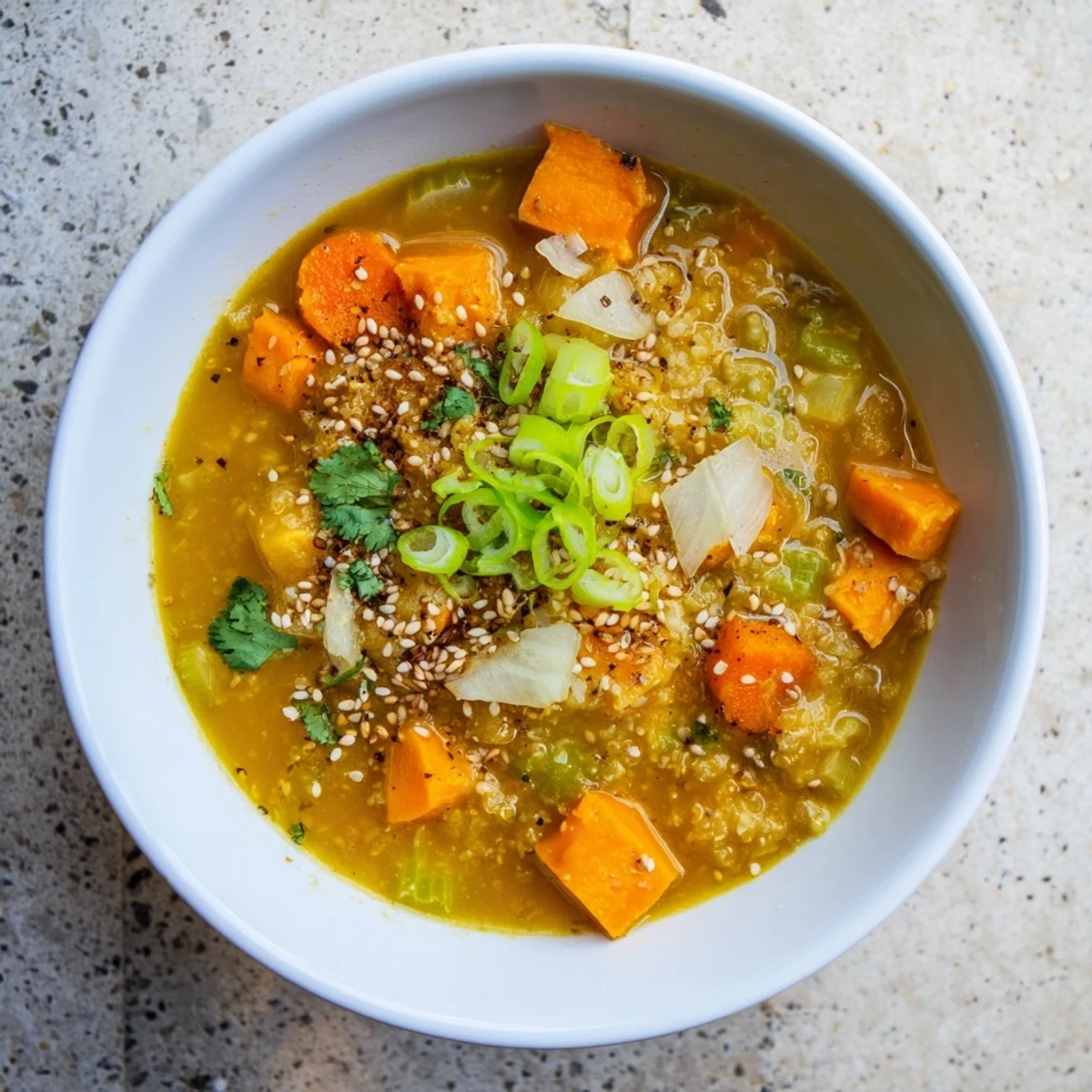
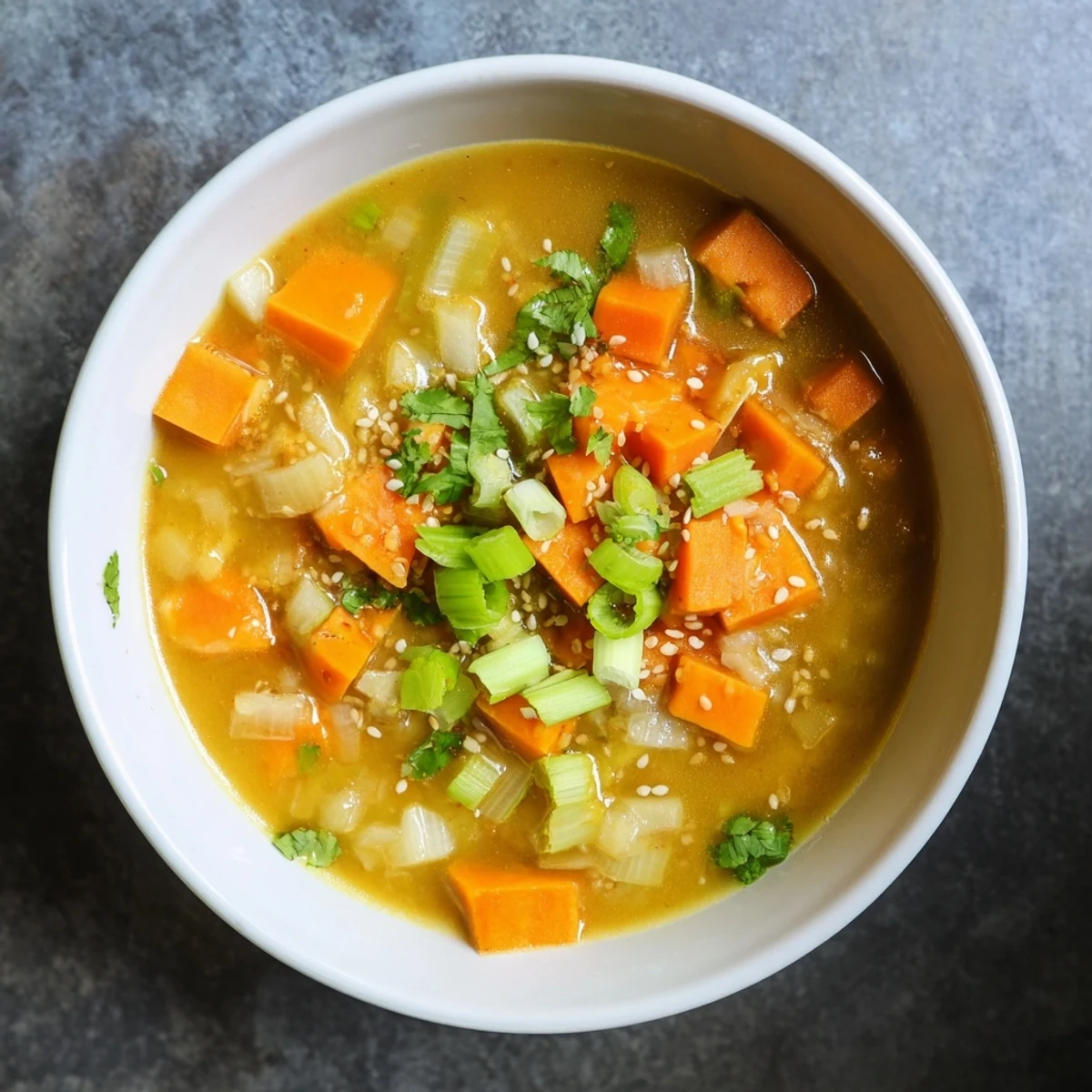
- Ladle into bowls and generously top with green onions, sesame seeds, and fresh herbs if you have them. Serve immediately while steaming hot.
 Save
Save There was this rainy Tuesday when I made this for book club, and everyone stopped mid conversation after that first spoonful. The room went quiet, then someone whispered, This is what I want when Im sick, and I knew this recipe had become part of my permanent collection.
Making It Your Own
Ive discovered that adding cooked chickpeas or cubes of silken tofu in the last five minutes turns this light soup into a complete meal. The protein addition makes it substantial enough for dinner, especially when served alongside some crusty bread for dipping.
Texture Secrets
After dozens of batches, I learned that partially blending creates the most satisfying eating experience. Those tender chunks of sweet potato against the creamy pureed base give every bite variety, keeping your spoon coming back for just one more taste.
Serving Perfection
The way you finish this soup matters immensely. A final sprinkle of sesame seeds, those fresh green onions, maybe some cilantro if you have it, these touches elevate it from everyday soup to something that feels like it came from a restaurant kitchen.
- Prep all your garnishes before serving so they are ready to go
- Warm your bowls if you have time, it keeps the soup hotter longer
- Offer lime wedges on the side, the acidity brightens everything beautifully
 Save
Save Theres something about a warm bowl of this soup that feels like a hug from the inside out, exactly what we all need sometimes.
Recipe Questions & Answers
- → What makes this soup golden-colored?
-
The vibrant golden color comes from sweet potatoes combined with ground turmeric, which adds both that signature yellow hue and subtle earthy flavor notes.
- → Can I make this soup ahead of time?
-
Absolutely. The flavors actually deepen after resting in the refrigerator for 1-2 days. Store in an airtight container and reheat gently, adding a splash of water or broth if needed.
- → Is it better to blend completely or leave chunks?
-
Partial blending creates the ideal texture—creamy base with tender vegetable pieces for heartiness. Use an immersion blender directly in the pot, leaving some portions unblended.
- → What type of miso works best here?
-
White or yellow miso paste offers the mildest, sweetest fermentation flavor that complements rather than overpowers the natural sweetness of the potatoes. Red miso would be too intense.
- → Can I add protein to make it more filling?
-
Cooked chickpeas, cubed silken tofu, or even shredded chicken work beautifully. Add during the last 5 minutes of simmering just to heat through without overcooking.
- → Why whisk miso separately before adding?
-
Miso contains live cultures that can be destroyed by boiling. Whisking it into a small amount of hot broth first ensures smooth incorporation without clumps, then stirring it in at the end preserves its beneficial enzymes.