
 Save
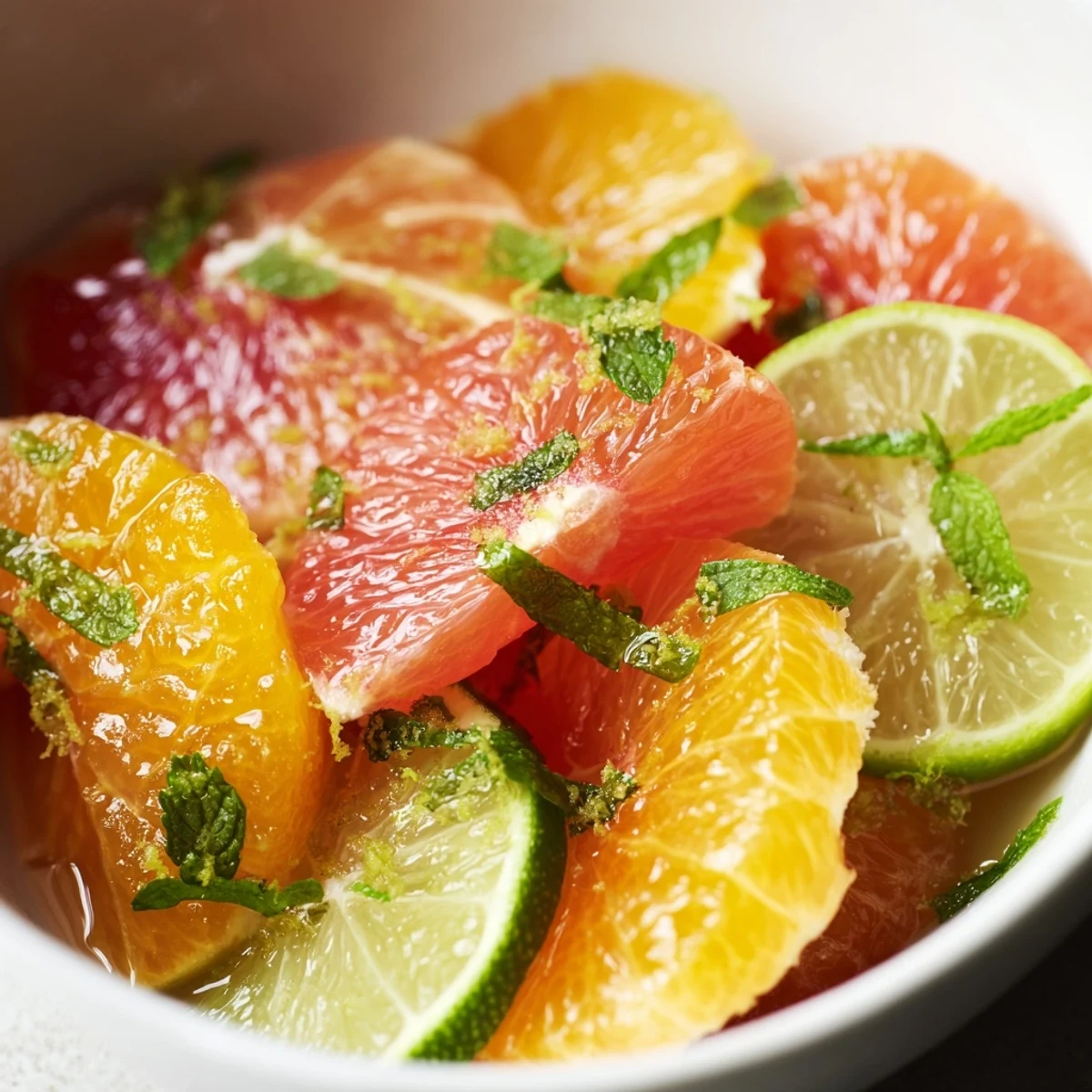
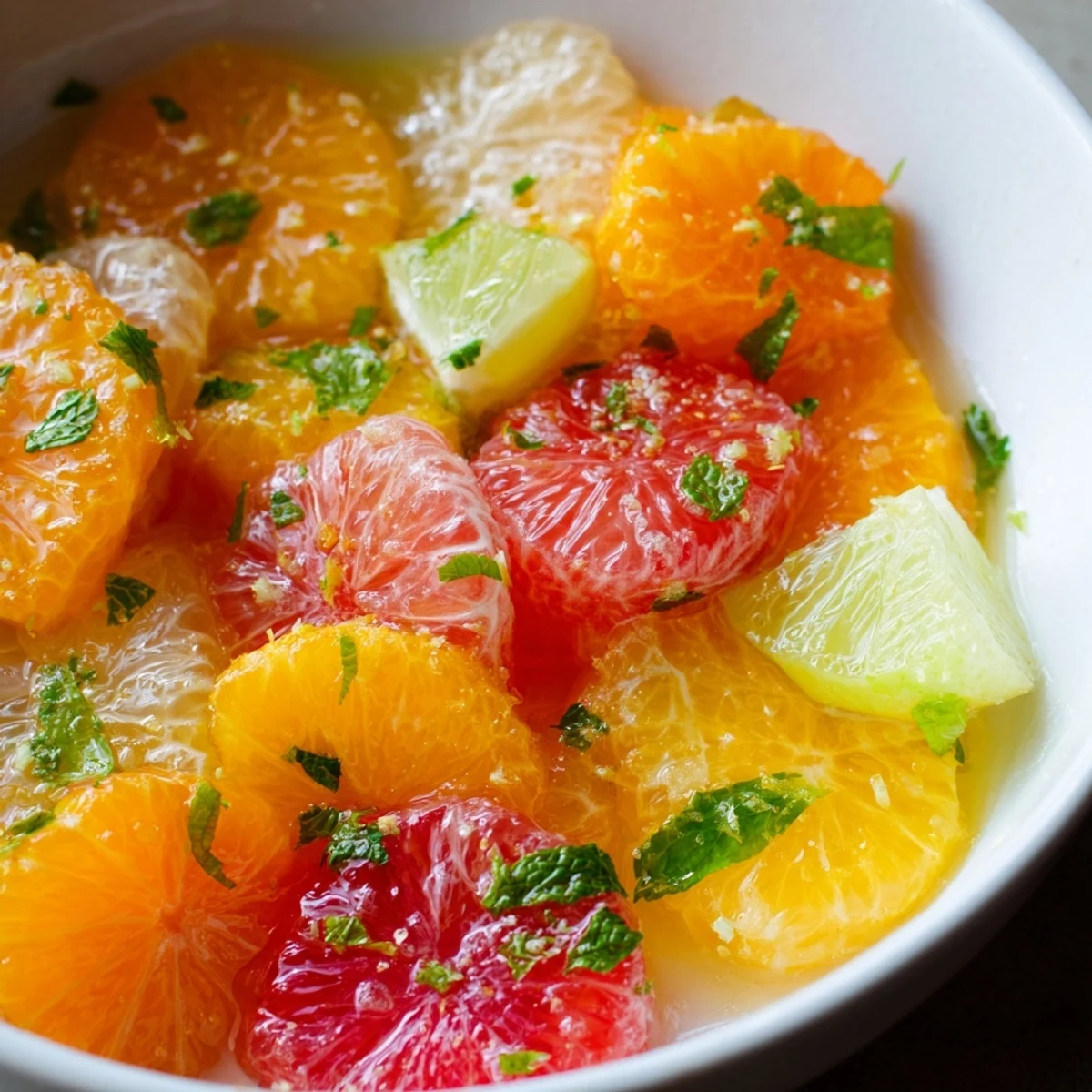
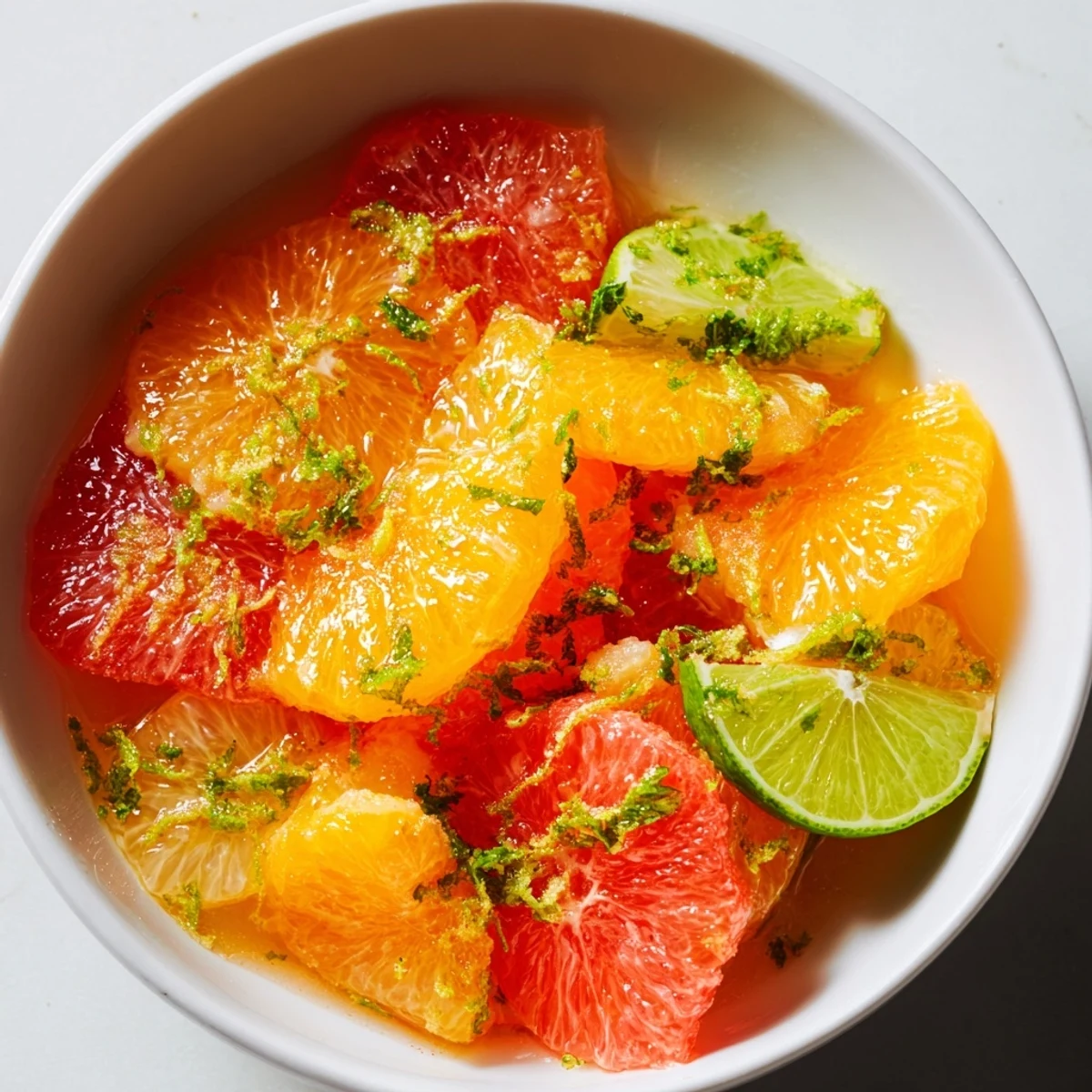
Save Combine peeled segments of oranges, grapefruits, mandarins, lime, and lemon in a large bowl to catch the juices. Drizzle with honey or agave syrup for added sweetness, then gently toss with finely chopped fresh mint and aromatic lime zest. Allow the mixture to chill for ten minutes to meld the vibrant flavors before serving this colorful fruit bowl.
There's something about Sunday mornings at my neighbor's place that made me understand citrus bowls. She'd wake up early, line up five or six different fruits on her counter, and the kitchen would fill with this bright, clean scent before anyone else was awake. I watched her peel and segment them once, not rushing, just moving with this easy rhythm, and realized the whole thing was less about precision and more about letting the fruit speak for itself.
I made this for a group of friends who showed up unannounced on a hot afternoon, and I had nothing else in the house except fruit. The relief on their faces when they tasted it—that first cold bite—made me realize this bowl could solve almost any moment where you need something refreshing but don't want to fuss.
Ingredients
- Oranges (2 large): These are your backbone, sweet and reliable, carrying the bowl with their juice and natural brightness.
- Grapefruits, pink or ruby red (2 large): They add a gentle bitterness that makes the whole thing interesting instead of one-note sweet.
- Mandarins or tangerines (2): Easier to peel than oranges and they add this almost honeyed quality that surprises people.
- Lime (1 large): Don't skip this, even though the bowl has plenty of citrus already—the lime cuts through with a sharpness that wakes everything up.
- Lemon (1 large): Another brightness note that echoes the lime and keeps the flavors from feeling flat.
- Fresh mint leaves (2 tablespoons, finely chopped): This is the magic ingredient people always ask about, adding a cool herbal note that makes it feel more special than it is.
- Honey or agave syrup (1 tablespoon, optional): Only add this if your fruit isn't as sweet as you'd like—sometimes the natural juice is enough.
- Lime zest (optional): Just the outer colored part, no white pith—it adds visual pop and intensifies the citrus flavor.
Instructions
- Peel with patience:
- Work over your bowl so you don't lose any juice, and take your time removing the white pith—that's where the bitterness hides. You'll see why it matters with the first bite.
- Segment and catch:
- Slice or break the fruits into bite-sized pieces, letting everything fall into the bowl where the natural juices collect and become a light syrup. This part feels meditative if you let it.
- Toss gently:
- Mix everything together with a soft hand, just enough to combine so you don't bruise the delicate segments.
- Dress and finish:
- Add honey if you need it, scatter the mint across the top, and finish with lime zest if you're feeling it. This is where the bowl goes from good to something people remember.
- Chill or serve:
- Ten minutes in the fridge lets the flavors settle and get colder, but honestly, it's delicious right now too.
 Save
Save A friend's kid asked me once why I didn't just buy pre-cut fruit, and I realized I'd never been able to explain it well until I watched their face when they tasted the difference—something about preparing it yourself changes how it tastes. That moment made me understand these bowls are as much about the small ceremony of making them as the eating.
When to Serve This
This works as a bright start to breakfast, a palate cleanser between courses at dinner, or that perfect thing to pull out when people show up and you want them to feel cared for without stress. Summer makes the most sense, but honestly, it works year-round because citrus doesn't really have an off-season if you know where to look.
Playing with Flavor
Once you get comfortable with the basic bowl, you start seeing it as a canvas. I've added pomegranate seeds for crunch and tartness, sliced strawberries for earthiness, or even a tiny pinch of sea salt and cracked black pepper when I want something more savory and sophisticated. The fruit itself stays the star, but these small additions change the whole mood.
Small Details That Matter
The knife matters more than you'd think—dull blades bruise the fruit and ruin the texture, while a sharp paring knife makes peeling feel like it's supposed to be easy. The bowl you choose matters too, partly because cold ceramic keeps everything colder longer, but also because a beautiful bowl makes the whole thing feel more intentional.
- If your fruit isn't as cold as you'd like, chill your bowl and utensils first.
- The juice that collects in the bottom is liquid gold—don't pour it away, let people drink it straight or pour it over the fruit.
- Fresh mint is non-negotiable, so buy it fresh the day you're making this, not three days earlier.
 Save
Save This bowl taught me that some of the most meaningful dishes are the simplest ones, the ones where you're not hiding behind technique or pretense. It's just fruit and time and the care you put into it.
Recipe Questions & Answers
- → How do I remove bitter white pith?
-
Use a sharp paring knife to slice off the top and bottom of the fruit, then cut down the sides following the curve to remove the peel and pith without wasting the flesh.
- → Can I add other fruits to this?
-
Yes, adding pomegranate seeds or sliced strawberries provides extra color and a sweet flavor contrast that pairs beautifully with the citrus.
- → Is this bowl suitable for vegans?
-
Yes, simply ensure you use agave syrup instead of honey to keep the dish strictly plant-based and vegan-friendly.
- → How long should it chill before serving?
-
Chilling for at least 10 minutes allows the flavors to meld together, though it can be served immediately if you are short on time.
- → How can I make this savory?
-
Sprinkle a pinch of sea salt and cracked black pepper over the fruit to create a sophisticated savory twist that enhances natural sweetness.